Pediatric orthopedic care focuses on the bones, joints, and muscles of children and teens. Young bones are still growing, and they respond to injury differently than adult bones. Growth plates are areas of developing cartilage near the ends of long bones, and since this cartilage is softer than mature bone, it breaks more easily during falls and sports. Here is more information on how to treat this condition:
Modifying Activities
Healing bones need protection from repeated stress. While your child may feel better within a few weeks, the growth plate may still be fragile. Your pediatric orthopedic doctor can set activity limits, and your child needs to follow them closely. Typical restrictions include the following:
- Halted contact sports, such as football, soccer, or basketball
- Stopped jumping, climbing, or using playground equipment
- Limited running until the doctor approves it
- Crutches or a walking boot for leg injuries, if prescribed
Quiet hobbies help fill the time, and many children enjoy reading, puzzles, or art projects. If needed, talk with your child’s school about recess and gym class. Teachers may adjust activities once they receive a note from the doctor.
Casting and Splinting
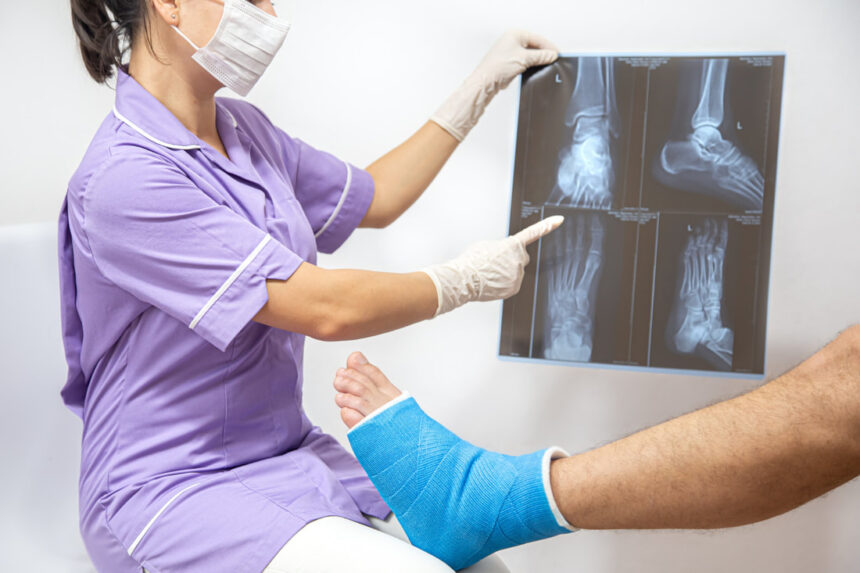
When a growth plate fracture stays in place, a doctor treats it with a cast or splint. These devices hold the bone still during healing. A cast wraps fully around the limb, and a splint supports only one or two sides.
Children typically wear a cast for several weeks, but timing varies by injury. Your child’s doctor may order follow-up X-rays because growth plate healing needs close monitoring. Keep every scheduled appointment during this phase.
Keep the cast clean and dry at home. Cover it with a plastic bag during baths, and never insert objects inside to scratch the skin. Call the doctor if your child reports numbness, increased pain, or a tight feeling in the cast. Swelling or color changes in the fingers or toes also need prompt attention.
Realigning Bones
Some fractures shift the bone out of position, and these injuries need realignment before casting. Doctors call this procedure a reduction. During a closed reduction, the doctor moves the bone into place while your child receives sedation or anesthesia.
If the fracture is severe or unstable, your child may need an open reduction. This surgery involves a small incision over the injured area. The surgeon positions the bone directly, and pins, screws, or plates may hold it in place. Some hardware comes out later in a second, shorter procedure.
Completing Physical Therapy
After the cast comes off, the injured joint often feels stiff and weak. A physical therapist builds a plan for your child, and sessions may happen once or twice a week. Home exercises are part of most therapy plans. Therapy typically targets the following areas:
- Range of motion in the affected joint
- Muscle strength around the injury
- Balance and coordination
- Return to sports movements
Schedule Pediatric Orthopedic Care
Growth plate injuries need prompt evaluation, and a pediatric orthopedic specialist has training to assess them. If your child has pain near a joint after a fall or sports injury, schedule an exam. Early imaging helps the doctor choose an appropriate treatment. Bring a list of your child’s symptoms to the visit, note the date of the injury, and describe any changes in pain or movement.