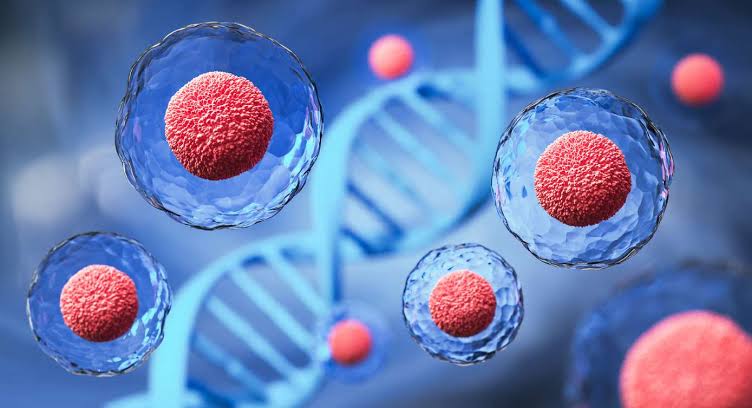
Regenerative medicine explores ways to repair or replace damaged cells and tissues. Advances in cell therapies, tissue engineering, and related technologies are expanding what researchers can study and develop, although multiple approaches remain experimental. Here are some of the innovations in regenerative medicine:
Refining Platelet-Rich Plasma
Platelet-rich plasma, often called PRP, is a regenerative medicine that uses a small sample of your own blood. A specialist spins the sample in a machine to separate the platelets, which carry factors linked to tissue repair. Newer methods refine this process, so providers can adjust the concentration to match a specific area or injury. These updates focus on precision, and they give providers more control over the final product. Here are some of the key innovations in PRP:
- Adjustable concentration: Technicians can fine-tune the platelet level to match the treatment to the target tissue.
- Cleaner separation: Improved spinning methods reduce unwanted cells, so the sample stays more consistent.
- Faster preparation: Streamlined equipment shortens the time between the blood draw and the procedure.
Targeting Care With BMAC
Bone marrow aspirate concentrate, known as BMAC, is a regenerative medicine that uses a sample drawn from your own bone marrow. A provider collects the sample, usually from the hip area, and then concentrates it to isolate specific cells and factors. Providers can then deliver this concentrated material to the treatment area with careful placement.
Providers map the treatment area first, which helps them direct the sample where it is needed. The process follows a clear sequence, so each stage builds on the last. Recovery plans often pair BMAC with guided exercise, reflecting a methodical model of care. Your provider tracks progress at set intervals, so adjustments stay grounded in what they observe.
Using Radial Shockwave Therapy
Radial shockwave therapy sends energy pulses into soft tissue through a handheld device. The device rests against the skin, and the pulses spread across the target zone without any incision. Sessions are typically brief, and a provider controls the intensity throughout.
This noninvasive method is a good option for people who want to avoid procedures that break the skin. Providers deliver it in a series of sessions, and they adjust the settings based on your response. The approach stays organized, so each visit follows a defined plan. Shockwave therapy often works alongside stretching and strengthening routines. Your provider outlines the schedule and explains what each session involves.
Expanding Image-Guided Procedures
Image-guided procedures use tools such as ultrasound to help providers see inside the body during treatment. Real-time imaging shows the target area, so providers can place a needle or device more accurately. This visibility supports precise delivery in regenerative medicine, and it reduces guesswork during each step. Here are some of the benefits of real-time imaging:
- Better placement: Live images help guide the treatment to the exact location.
- Reduced disruption: Precise targeting limits contact with nearby tissue.
- Clear records: Imaging creates a visual reference that providers can review later.
Explore Regenerative Medicine Options Today
Regenerative medicine offers innovative treatment options designed to repair and restore tissue function with minimal disruption. Image-guided techniques improve precision by accurately targeting the affected area while preserving surrounding tissue. These advancements improve consistency and outcomes, making regenerative treatments a compelling minimally invasive solution. Contact a qualified orthopedic specialist near you to schedule your appointment and explore available regenerative medicine options today.