

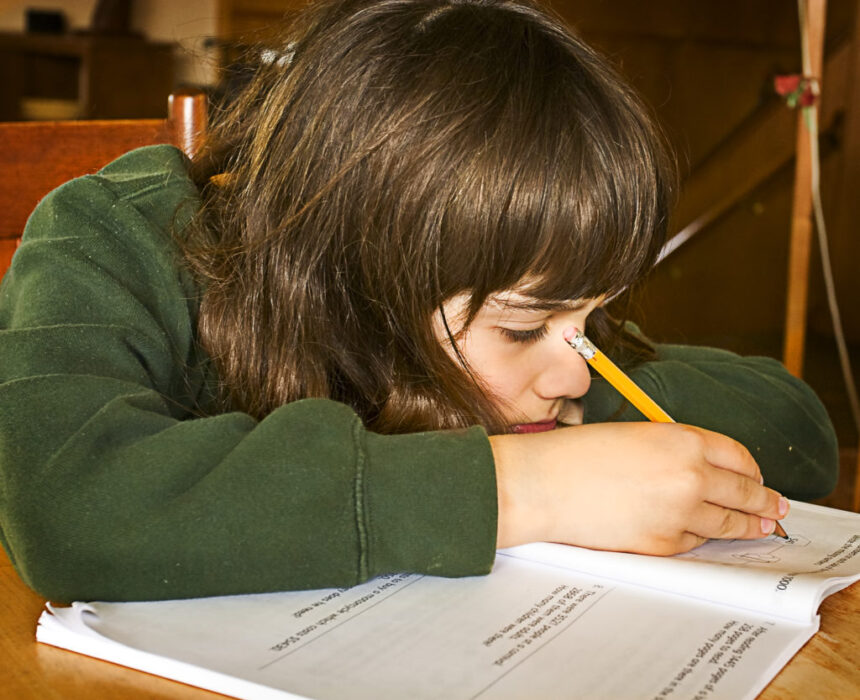
Attention-deficit/hyperactivity disorder (ADHD) affects how children focus, sit still, and manage their impulses, and the signs can show up at home and school. When you understand what to watch for, you gain a clearer picture of your child’s needs. Here are some typical symptoms and ways to address them:
Being Distracted Easily
Children with ADHD lose focus quickly. A small noise pulls their attention away, and a passing thought does the same. Since their minds jump from one thing to the next, finishing a task becomes hard.
You might see homework left unfinished, and daily chores stall halfway. A simple activity like reading takes far longer than expected. When distractions pile up throughout the day, frustration tends to build for everyone involved. Watch for these signs of distraction:
- Trouble finishing schoolwork or projects
- Habit of losing toys, books, or supplies
- Difficulty following a story or conversation
These patterns appear across settings, and they repeat over weeks. A single distracted afternoon means little, but a steady trend deserves your attention. When the behavior shows up at home and school, teachers typically notice it too.
Having Difficulty With Instructions
Following directions takes effort for a child with ADHD. You give a two-step request, and only the first step gets done. Since working memory struggles here, multi-part tasks slip away.
You might repeat yourself often, and the message still fades. A child hears the words but loses track midway. When instructions stack up, tasks feel overwhelming to a young mind. Short, single steps often work better than long lists.
You might notice that breaking tasks into smaller pieces reduces confusion, and it helps the child stay focused. Keep instructions short and direct. While it may take time and patience, adapting your approach to fit their needs can lead to gradual improvements in their ability to follow directions.
Moving Constantly
Restlessness marks another common sign of ADHD. Some children fidget in their seats, and others leave their chairs during meals. When sitting still feels uncomfortable, movement becomes their default.
You might notice constant tapping, and quiet moments rarely last. A child climbs, runs, or squirms even when the setting calls for calm. This energy shows up at the dinner table and in the classroom alike.
Interrupting Conversations
Impulsivity often appears in conversations. A child blurts out answers, and waiting for a turn feels impossible. As impulses fire fast, patience runs short in group settings. Here are behaviors you might see:
- Interrupting others mid-sentence
- Struggling to wait in line or take turns
- Answering questions before they are finished
These moments happen often, and they strain friendships over time. A child may know the social rule yet act before thinking. When interruptions repeat daily, the pattern points toward a deeper cause worth exploring.
Schedule a Pediatric ADHD Evaluation
A qualified provider reviews your child’s history, and they gather input from you and teachers. Bring notes about specific behaviors, and share how long they have lasted. When you contact our office, our team will guide you through the evaluation steps and answer your questions. Call a clinic today to schedule a pediatric ADHD evaluation for your child.