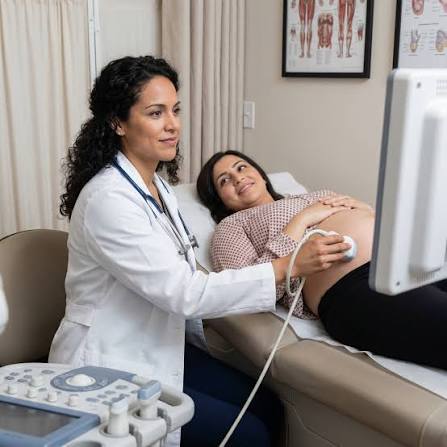
A gynecologist provides preventive screenings, reproductive health evaluations, and guidance on hormonal changes throughout different stages of life. Routine appointments address existing concerns and support ongoing wellness, while new symptoms or pregnancy planning may require additional visits. Because healthcare needs vary, gynecologists recommend appointment schedules based on age, medical history, symptoms, and individual health goals. Here is more information about when to see a gynecologist for care:
Noticing New or Changing Symptoms
Changes in menstrual cycles, pelvic discomfort, or unusual vaginal discharge may indicate a need for gynecological evaluation. Some symptoms resolve without treatment, while others require testing to identify possible underlying conditions. Because reproductive health concerns vary, gynecologists review medical history, symptom frequency, and recent changes during an appointment.
Women experience gynecological symptoms at different ages, and hormonal changes sometimes influence menstrual patterns or physical discomfort. A gynecologist discusses these concerns, performs an examination when appropriate, and recommends diagnostic testing based on individual findings. Tracking symptoms over time provides additional information, while discussing new or persistent changes helps guide treatment recommendations. Regular communication with a gynecologist also supports ongoing monitoring of reproductive health concerns.
Scheduling Routine Preventive Screenings
Preventive gynecological visits include screenings and evaluations that help identify changes in reproductive health before symptoms develop. A gynecologist reviews medical history and previous screening results, while age and individual risk factors influence recommended testing schedules. Because preventive care needs vary, appointments may address several areas of women’s health, including:
- Pelvic examinations: to assess reproductive organ health when medically indicated.
- Pap tests: to screen for abnormal cervical cell changes.
- Breast health: to evaluate symptoms and recommend appropriate screening.
- Sexually transmitted infections: based on medical history and individual risk factors.
- Bone health: to discuss osteoporosis risk and bone density testing when appropriate.
Regular preventive appointments provide opportunities to discuss health changes and review screening recommendations over time.
Preparing for Family Planning
Family planning appointments provide opportunities to discuss pregnancy goals, contraception options, and reproductive health concerns with a gynecologist. Women preparing for pregnancy may receive guidance on nutrition, menstrual cycles, and existing medical conditions. Because reproductive goals differ, gynecologists review individual health histories before recommending appropriate planning strategies.
Preconception counseling often includes discussions about medications, lifestyle habits, and health conditions that could affect pregnancy. A gynecologist reviews these factors and discusses recommended screenings, while patients share questions about pregnancy timing and preparation. Women seeking contraception also receive information about available methods, including hormonal and nonhormonal options.
Fertility concerns are another reason women schedule family planning appointments with a gynecologist. Irregular menstrual cycles or difficulty conceiving may prompt further evaluation, depending on age, medical history, and reproductive goals. Because fertility involves several health factors, gynecologists may recommend diagnostic testing or referrals to reproductive specialists. These appointments provide opportunities to discuss findings and identify appropriate next steps.
Managing Hormonal and Life Changes
Hormonal changes occur throughout a woman’s life, from puberty and reproductive years to perimenopause and menopause. Adolescents may experience menstrual irregularities, while women approaching menopause sometimes report hot flashes, mood changes, and disrupted sleep. Because symptoms vary across life stages, gynecologists evaluate hormonal concerns through medical history reviews and appropriate testing. Hormonal changes also affect bone health and other bodily functions, making ongoing gynecological care relevant beyond reproductive health. Treatment recommendations depend on individual symptoms, health history, and the stage of hormonal transition.
Schedule Your Gynecologist Visit
A gynecologist provides reproductive healthcare, preventive screenings, and guidance throughout different stages of a woman’s life. Routine appointments address ongoing wellness, while new symptoms or family planning goals may require additional evaluations. Because healthcare needs change over time, gynecologists recommend appointment schedules based on age, medical history, and individual concerns. Schedule a gynecologist appointment with Bayard Street Obstetrics & Gynecology today to discuss your reproductive health and preventive care needs.