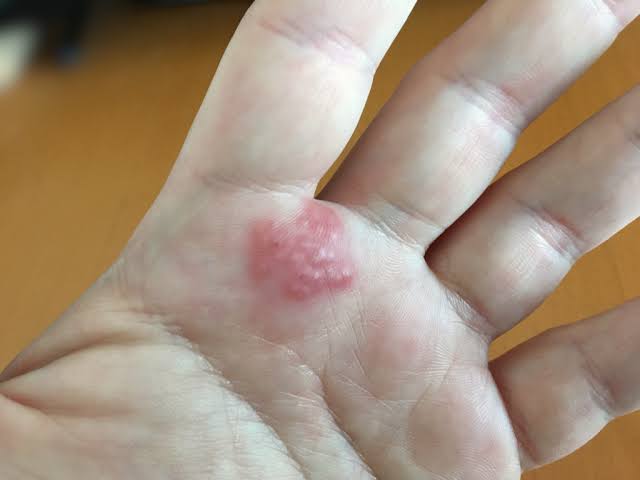
Eczema is a skin condition that causes dry, inflamed, and itchy patches. Symptoms come and go, and they may change in severity over time. If eczema keeps returning, you can benefit from a clear plan. A dermatologist specializes in conditions of the skin, hair, and nails.
Reducing Inflammation and Itching
Inflammation causes the redness and swelling you see during a flare, so a dermatologist will examine your skin first. They look at the location, size, and texture of your patches while asking about your symptoms. Your provider will sometimes prescribe a topical steroid. They may suggest a cream that calms the skin without steroids. Your provider will also explain how much to apply and where. Different levels of inflammation need different levels of care.
Mild flares may respond to a low-strength steroid. More severe flares need a stronger prescription. Your dermatologist will match the treatment strength to your skin’s needs. They may also recommend a non-steroidal option, such as a calcineurin inhibitor. These are often used on sensitive areas like the face. Your dermatologist will explain each option clearly, and they will help you weigh the benefits and any possible side effects.
Clearing Infection and Removing Lesions
Since broken skin can let bacteria, viruses, or fungi enter, cover all wounds appropriately. Signs of infection include crusting, oozing, and yellow fluid. A dermatologist can test the affected area, and they will choose a treatment that targets the cause. They may prescribe an antibiotic, or they will recommend an antiseptic wash. Contact your dermatologist if you notice any of these signs. Your provider will take a skin swab to identify bacteria, which helps them choose the right antibiotic. Some infections respond to a topical antibiotic. Others require an oral prescription. Your dermatologist will also check if your current eczema treatments contribute to repeat infections.
Decreasing New Lesions
Long-term care focuses on fewer and milder flares, and a few steady habits can help you get there.
Identify and Manage Your Triggers
Common triggers vary from person to person, and identifying yours is a part of long-term management. Your dermatologist may help you spot triggers such as soaps, fabrics, stress, or weather changes. Track flares in a journal. Your dermatologist will review it when you visit. Your provider may also recommend an allergy test or patch test to pinpoint specific sensitivities. Once you know your triggers, limit exposure, and your dermatologist will help you build practical strategies. Avoiding a trigger does not always mean eliminating it, but reducing contact helps lower the frequency of flares. Your provider will adjust your maintenance plan with the seasons, since cold air and indoor heating prompts new lesions.
Build a Skin Care Routine
A daily skin care routine supports your plan. Use a fragrance-free moisturizer within three minutes after bathing. Take short, lukewarm showers, and pat your skin dry with a soft towel. Choose mild cleansers and loose cotton clothing. Avoid products with dyes, fragrances, or preservatives, since these can trigger a flare. Your dermatologist can review your current products, and they will recommend alternatives that suit sensitive skin. Bathing frequency matters too.
Schedule Your Dermatologist Visit
Eczema requires ongoing care. A dermatologist can reduce inflammation, relieve itching, clear infection, and decrease new lesions. Your first visit includes an exam, and it gives you a chance to ask questions. Bring a list of your symptoms and current products, and note any triggers that you have noticed. Schedule an appointment with a dermatologist, since you can start building a treatment plan that fits your skin.