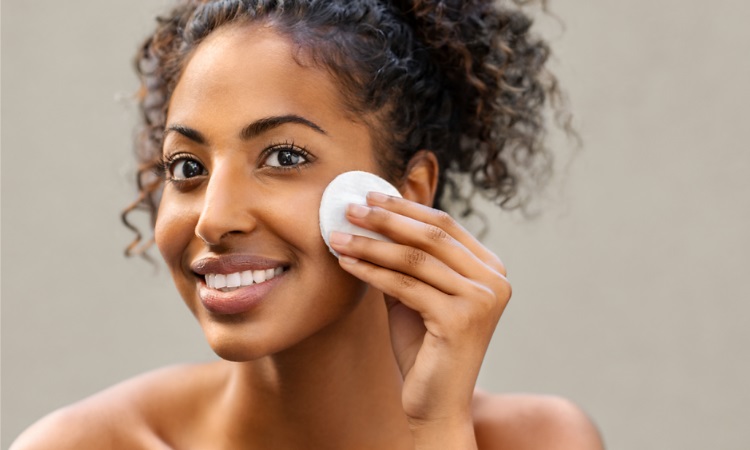
When you get aesthetics, it typically involves nonsurgical treatments that target the skin, hair, and body. These services focus on appearance and skin health rather than on disease or injury. Some treatments address fine lines and uneven texture, and others target hair thinning or stubborn fat deposits. Here is more information on the role of aesthetic services for anti-aging:
Rejuvenating Skin
Collagen gives skin its firm structure, and elastin helps it stretch and bounce back. As you age, your body produces less of both proteins each year. Several aesthetics options aim to prompt new production through controlled micro-injury or heat. Typical options include the following:
- Fillers: Injectable treatments that restore lost volume and smooth fine lines, leaving skin looking refreshed and rejuvenated.
- PRP: A provider draws your blood, isolates the platelets, and applies them to treated skin.
Reducing Dynamic Wrinkles
Dynamic wrinkles form through repeated muscle movement in the face. When you smile, frown, or squint, small facial muscles contract and fold the skin above them. Over the years, these folds deepen, and they may stay visible even at rest.
Neuromodulators such as Botox are used to relax targeted muscles, and this relaxation reduces the folding motion. A trained provider injects small, measured amounts into specific points on the face. Areas include the forehead, the lines between the brows, and the outer eye area, where crow’s feet appear.
As the effect wears off gradually, most people return for touch-ups every three to four months. Results vary from person to person, and your provider will assess your muscle strength and facial anatomy first. Mild bruising, redness, or swelling sometimes appears at the injection sites for a day or two. Ask your provider for written aftercare instructions before your appointment.
Restoring Hair Development
Hair thinning affects many adults in their thirties, forties, and fifties. While genetics play a major role, stress, nutrition, and hormonal shifts also contribute. Some people notice a wider part, and others see more shedding in the brush or shower drain.
PRP therapy starts with a small blood draw, and a centrifuge then separates the platelets from other components. The concentrated plasma goes into the scalp through a series of small injections. Most plans involve three or four sessions spaced about a month apart, since follicles respond slowly. Some practices pair PRP with topical products.
Toning Body Areas
If diet and exercise leave stubborn pockets of fat, body contouring may address those specific areas. These treatments target localized zones without incisions or general anesthesia. Changes develop gradually over several weeks, and most plans include more than one session. Common approaches include the following:
- Targets stubborn fat in specific areas like the abdomen, flanks, and thighs that diet and exercise can’t always reach
- Tightens loose skin for a smoother, more toned appearance
- Builds muscle tone in key areas like the core and glutes
- No incisions or general anesthesia required, making it a safer, low-risk option
- Minimal downtime, so you can return to your daily routine with ease
Find Aesthetics Near You
Each treatment carries its own risks and recovery needs, and outcomes differ from person to person. Before you book, ask about the provider’s training, licensing, and experience with your specific concern. A consultation gives you time to review options, costs, safety protocols, and aftercare steps. Schedule a consultation with a licensed aesthetic provider near you to discuss a personalized treatment plan.