
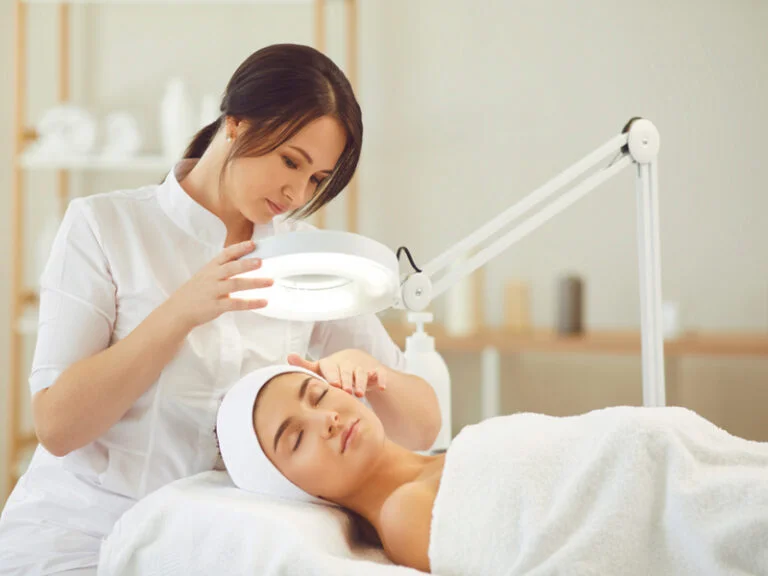
Platelet-rich plasma therapy (PRP) uses parts of your own blood to support skin renewal. Your provider draws a small sample, and a machine separates the platelets from other components. Since platelets hold growth factors, they play a role in how your skin repairs itself. Here is more information on the science behind this treatment:
Using Your Own Blood
PRP starts with a simple blood draw. A trained provider collects a small amount, and the sample goes straight into a centrifuge. This device spins fast to separate the plasma, which holds a high number of platelets. The process feels similar to a routine lab test.
Your own blood forms the base of the treatment. Since the material comes from you, the risk of an allergic reaction stays low. The provider prepares the plasma carefully, and each step follows strict hygiene standards. You stay in the room during the entire preparation.
Adding Growth Factors
Growth factors are proteins found inside platelets. They signal nearby cells, and this signaling supports natural repair. When your provider concentrates these platelets, the plasma holds more growth factors than regular blood. The goal is targeted support for specific skin areas. Your provider applies the plasma in a few ways:
- Microneedling to spread PRP across the skin surface
- Injections placed in areas your provider maps out
- Topicals after certain treatments
Each method has its own pre-care and post-care steps. Since techniques differ, your provider explains the plan during your consultation. You get clear instructions, and the approach matches your goals.
Stimulating Tissue Healing
Tissue healing follows a natural pattern in the body. First, cells respond to signals from growth factors. PRP adds a concentrated source of these signals, and researchers study how this affects skin structures. The science looks at collagen, blood flow, and cell activity.
Collagen gives skin its firmness. When growth factors reach the treated area, they may prompt cells to produce more of it. Studies continue to explore these effects, and results vary between people. Your provider reviews current research with you. Several factors shape how skin responds:
- The patient’s age and general skin condition
- The area treated and its needs
- The number of sessions in your plan
As bodies differ, outcomes are not the same for everyone. Your provider sets realistic expectations, and honest guidance stays part of the process. You decide what fits your situation.
Promoting Faster Recovery
Recovery time depends on the technique used. Microneedling with PRP often leaves mild redness for a day or two. Because the plasma comes from your body, downtime tends to stay short. Your provider gives you a recovery timeline.
Aftercare supports the healing window. You follow specific steps, and these steps protect the treated skin. Simple habits matter here, so listen to your provider’s advice. Gentle cleansing and sun protection are common recommendations.
Staying hydrated and maintaining a healthy diet can also aid in the healing process. Follow all aftercare instructions carefully, as they play a key role in promoting optimal results. While the recovery timeline is typically short, individual experiences may vary depending on skin type and the intensity of the treatment.
Schedule PRP Sessions Near You
PRP therapy uses your own blood, growth factors, and your body’s repair process. Results differ by person, and honest guidance shapes every plan. A consultation helps you understand what to expect. Book a consultation with our team today. Contact us to schedule your PRP session and ask any questions you have.