

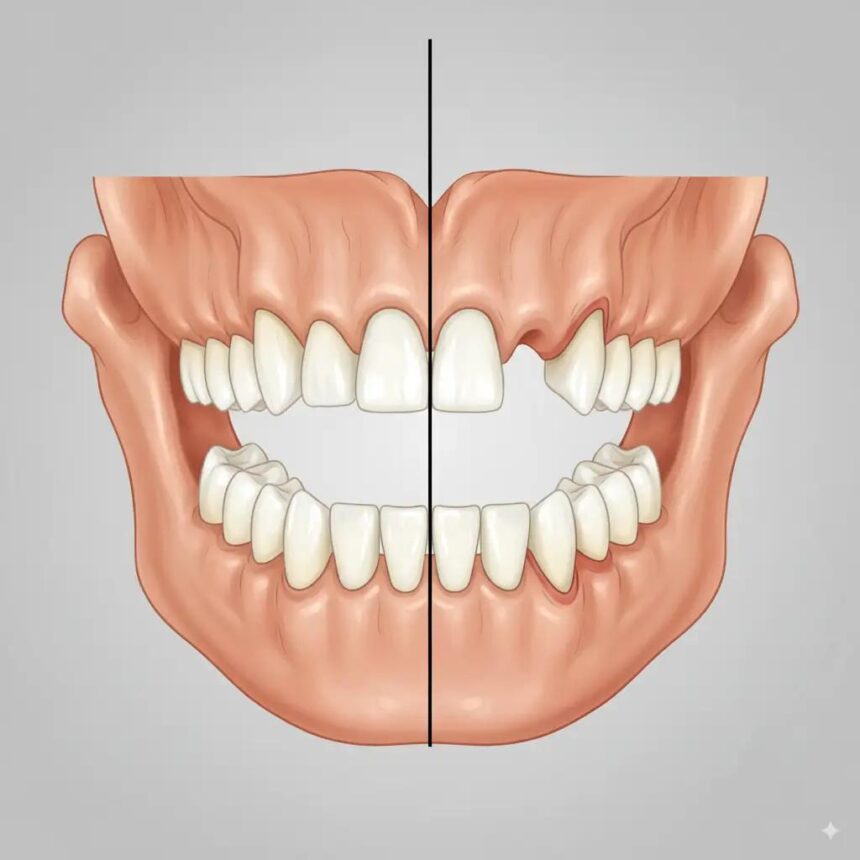
Dental implants replace missing tooth roots with titanium posts that fuse directly to the jawbone through a process called osseointegration; this fusion stimulates the bone the same way a natural tooth root would. The body receives signals to maintain bone density rather than reabsorb it. Patients who lose teeth without replacing the root structure may experience progressive bone loss, which alters jaw shape and facial structure over time. Here is more information on what dental implants are and how they work to stop bone loss before it progresses:
What Are Dental Implants?
A dental implant consists of a titanium post surgically placed into the jawbone, topped with an abutment and a custom-made crown. The titanium post acts as an artificial tooth root, and over several months, the bone grows around it through a process called osseointegration. Because this fusion occurs at the jaw’s structural level, it creates a stable, long-term foundation for the replacement tooth.
Dentures and bridges sit above the gumline, but dental implants integrate directly with the bone itself, which distinguishes them from other tooth replacement options. This integration can produce a result that feels and functions like a natural tooth. Dentists assess each patient individually. Jaw structure determines implant size and placement, so the procedure is tailored to the patient’s anatomy rather than applied as a standardized solution.
Who Do They Help?
Dental implants help patients who have lost one or more teeth due to injury, decay, or gum disease. Older adults who experience natural tooth loss over time may benefit; patients whose dentures no longer fit properly because of bone changes are potential candidates as well. When other options are no longer adequate, implants can offer a stable alternative for patients seeking a longer-term solution.
The following conditions influence whether a patient can proceed with treatment:
- Insufficient jawbone density
- Uncontrolled diabetes or active gum disease
- Smoking
How Is Bone Loss Prevented?
Bone loss occurs because the jawbone requires the stimulation of chewing forces transmitted through a tooth root. When a tooth root is absent, the body redirects resources away from that section of bone. It begins to shrink over time. Dental implants interrupt this cycle by replicating the function of a natural root. Once the titanium post fuses with the bone, chewing and biting forces transfer through the implant much as they would through a natural tooth, and the bone continues receiving the mechanical stimulation it needs to maintain density and structure.
What Are the Benefits?
Jawbone density preservation supports facial structure. When patients lose significant bone volume, a sunken appearance may develop around the mouth and cheeks; implants help prevent this by maintaining the underlying bone. Because implants address both structural and aesthetic concerns, they function as a combined functional and cosmetic solution.
Implants restore chewing function and speech clarity because they anchor as firmly as natural teeth. They also protect neighboring teeth from shifting out of position, which is a common consequence of untreated tooth loss; this makes implants a comprehensive solution for overall oral health. With proper care, implants can last for many years.
Consult a Dentist
Bone loss in the jaw may develop slowly until facial structure or denture fit changes; dental implants help prevent this outcome by replacing the tooth root and restoring the stimulation the jawbone needs to stay strong. From patients recovering from a single extraction to those replacing multiple teeth, implants provide a solution built around long-term oral health rather than a temporary fix. If you have missing teeth, consult a dental professional.