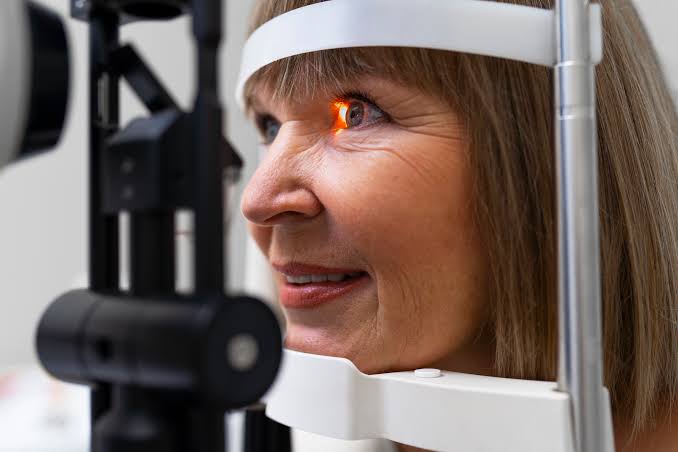
Your vision plays a key role in how you navigate the world and carry out everyday activities. Vision changes can develop gradually, making it easy to overlook signs of an underlying eye problem. An experienced ophthalmologist recognizes subtle signs of eye disease, and they distinguish between conditions that cause similar symptoms. Here are some benefits of seeing an ophthalmologist:
Detects Diseases Early
Many eye diseases cause no symptoms in their early stages. Glaucoma often damages the optic nerve before a person notices any loss of side vision, and diabetic retinopathy may progress for years without obvious signs. During a comprehensive eye exam, an ophthalmologist dilates your pupils to examine the retina, optic nerve, and blood vessels. They may also order optical coherence tomography, which shows the retina in fine detail. An experienced ophthalmologist has reviewed thousands of exams, so small changes from one visit to the next are familiar patterns. Recognizing changes early helps your ophthalmologist recommend treatment before vision loss occurs.
Offers Eye Surgeries
Ophthalmologists are the only eye care providers licensed to perform eye surgery. Cataract surgery is common; the surgeon removes the clouded natural lens and replaces it with an artificial one. Other procedures include laser vision correction, glaucoma surgery, retinal repair, and corneal transplants. Another procedure is pterygium surgery, which removes abnormal tissue growth from the eye’s surface.
For cataracts, laser-assisted technology maps the eye to customize treatment and guide precise incisions and lens implant placement. It can also correct certain types of astigmatism, potentially addressing more than one source of blurred vision in a single procedure. An eye exam and measurements help surgeons determine whether this option fits your eyes and visual needs.
Addresses Chronic Conditions
Some eye conditions have no cure, and they require monitoring and treatment over months or years. An ophthalmologist tracks changes at each visit to decide whether to adjust your treatment plan. Glaucoma management often starts with prescription eye drops that lower eye pressure. If drops don’t work well, laser treatment or surgery may follow. For age-related macular degeneration, some ophthalmologists place injections in the eye at regular intervals to slow the growth of abnormal blood vessels. Other conditions that need ongoing care include:
- Dry eye disease
- Uveitis
- Carotid artery disease
Diabetes also affects the eyes. High blood sugar damages small blood vessels in the retina, and an ophthalmologist may treat damage with laser therapy or injections. When you live with a chronic condition, an ophthalmologist often shares findings with your primary care doctor or endocrinologist so your treatment plans line up.
Work With an Ophthalmologist
An experienced ophthalmologist provides eye exams, surgical care, and long-term management of eye conditions. Their medical and surgical training means related concerns are often managed by one provider. Regular appointments help identify changes in your vision and determine when treatment may be needed. If you experience blurred vision, eye pain, or other new symptoms, an ophthalmologist will evaluate the cause and recommend appropriate care. Schedule a comprehensive eye exam with an ophthalmologist today to review your eye health.