Urgent medical services treat injuries and illnesses that need prompt attention but don’t require a hospital emergency room. Some orthopedic clinics offer emergency care for bone, joint, and muscle injuries, allowing patients with sprains, fractures, or sudden joint pain to see a specialist quickly. When you are injured, understanding different levels of emergency care helps you choose the appropriate medical facility. Here’s more information on emergency care services offered by orthopedic practices:
Get Timely Care
Orthopedic emergency care services focus on musculoskeletal injuries, from sprains and strains to dislocations and simple fractures. Many clinics accept walk-in patients during set hours, while others reserve same-day appointment slots for acute injuries. Orthopedic providers staff these clinics and treat musculoskeletal conditions every day. Because the staff focuses on one area of medicine, clinics can route patients directly to the appropriate provider.
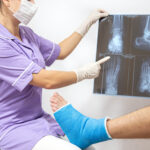
On-site imaging, such as X-ray equipment, lets providers evaluate many injuries in a single visit. Many facilities also keep braces, splints, and casting supplies on hand. This structure reduces the steps between an injury and a specialist evaluation. A patient who visits a general hospital emergency room may receive initial care, then be referred to an orthopedic specialist. An orthopedic urgent care clinic helps combine those steps into one visit.
Benefit From After-hours Phone Lines
Injuries commonly happen after business hours, but some orthopedic practices offer an after-hours phone line to support patients outside regular clinic hours. An on-call doctor, nurse, or answering service handles these calls and relays messages to the larger orthopedic care team. An after-hours line can help you decide on what next steps to take for appropriate medical care.
A staff member will ask how the injury happened, where the pain is located, and whether you can bear weight or move the joint. Based on your answers, they may advise you to visit the clinic the next morning or to go to a hospital’s emergency room. Patients who recently had surgery can also use this line to report concerns about incisions, swelling, or medication. Keep the following information ready when you call:
- Your full name and date of birth
- A brief description of the injury and when it occurred
- A list of any medications you take
- Your pharmacy’s phone number
This phone line does not replace emergency services, so call 911 for any life-threatening situations.
Effectively Manage Your Injuries
With an urgent musculoskeletal injury, timely care is key to recovery. Prompt evaluation lets a provider identify the injury type early and recommend an appropriate treatment plan. Orthopedic specialists usually begin with a medical history to learn more about your injury and overall health; a physical exam follows. During the physical, the provider checks range of motion, strength, stability, and tenderness around the affected area.
Imaging tests help providers confirm or rule out specific injuries. X-rays show bones clearly, but soft tissue injuries such as ligament or tendon tears may require an MRI or ultrasound. Many clinics perform these advanced scans on-site. Others can schedule them at a partner imaging center. After reaching a diagnosis, the provider explains the findings and outlines treatment options.
Some common treatments may include immobilization, physical therapy, medication, or a referral for a surgical consultation, depending on individual needs. Following the provider’s instructions and attending follow-up appointments helps keep your care on track. Hospital emergency rooms are the appropriate choice for life-threatening conditions, open fractures, or injuries involving heavy bleeding. If you are unsure where to go for emergency care, go to the hospital or call an urgent care provider near you.
Prepare for Your Emergency Care
Before a serious situation arises, look for an orthopedic facility that offers urgent care in your area. Review its hours, walk-in policy, and accepted insurance plans to save time in an urgent situation. Save the clinic’s main number and its after-hours line in your phone or other accessible place. Knowing where to go in advance helps you reach an orthopedic specialist quickly when you get injured, so you can get prompt medical attention.