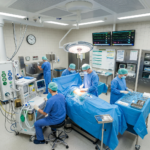
Stem cell therapy uses your body’s own repair cells, and it is performed to support healing in damaged tissue. Providers collect these cells from bone marrow or fat and inject them into the treatment area. If you have received PRP therapy, the process is similar. Here are some innovative applications for this treatment:
Cartilage Treatment
Cartilage cushions the ends of bones inside your joints. Once cartilage wears down, the body has little ability to rebuild it. Knees take much of this wear, but hips and shoulders also lose cartilage over time. Your provider will adjust your stem cell therapy plan if your joint responds differently than expected. Providers currently study stem cells for these cartilage concerns:
- Knee osteoarthritis
- Small cartilage defects from sports injuries
- Hip joint wear
- Shoulder joint degeneration
Tendon and Ligament Treatment
Tendons connect muscle to bone, and ligaments connect bone to bone. Since both tissues receive little blood flow, they often heal slowly after an injury. Stem cell therapy targets this slow repair process directly.
When a provider treats a tendon, they usually use ultrasound to guide the needle. This imaging helps place cells at the exact site of damage. Typical targets include the elbow and Achilles tendon, but providers also treat shoulder tendons. The procedure typically takes under an hour.
Doctors continue to use cell concentration and dosing for ligament injuries. Some clinics now combine stem cells with PRP, which supplies extra growth factors. Results vary by patient, so your provider will review your imaging and history first.
Muscle Recovery
Muscle strains are normal, and severe tears sometimes leave scar tissue behind. Scar tissue limits flexibility and strength. Doctors use stem cells because these cells may support new muscle fiber growth. It is used for hamstring, calf, and rotator cuff injuries.
While muscle treatment remains an emerging area, it has helped athletes and older adults. Some protocols pair injections with physical therapy, and others add guided rest periods. Your provider will explain the current evidence for your specific injury.
Pain Relief and Recovery
Since stem cells may calm inflammation, researchers study them for chronic joint and tendon pain. Recovery timelines differ from person to person. Many people return home the same day, but soreness may last several days. Your aftercare plan may include these steps:
- Rest the treated area for 24 to 48 hours
- Skip anti-inflammatory medications unless your provider approves them
- Use ice or heat as directed
- Attend all scheduled follow-up visits
Gradual activity supports the recovery process. You might start light movement within a week, and they add strength work later. If pain increases or swelling spreads, contact your provider right away. Full recovery may take several months.
Schedule Stem Cell Therapy
Before you book, ask about your provider’s training and safety protocols. A consultation gives you time to review your options; bring your medical history and any recent imaging to your first visit. Your provider will discuss realistic expectations after they review your records. Contact a medical team at a family practice to schedule a consultation, or send a message with your questions.