Whether it’s a new mole or a lingering rash, you may wonder when to seek care. Your skin changes over time, and many changes are harmless. Some changes need a closer look. When a spot or rash lasts for weeks, you may want an expert opinion. A dermatologist can offer one.
Growths That Change
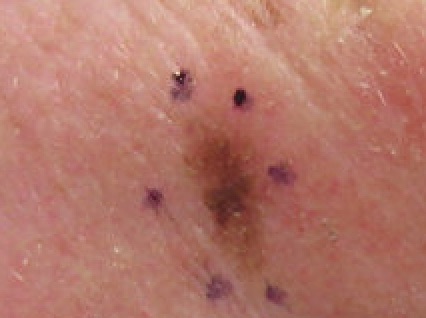
Moles deserve regular attention. Most moles stay the same for years, but some change in size, shape, or color. If a mole looks different from your other moles, note the change and schedule an exam. Watch for moles that grow, bleed, itch, or develop uneven borders. A dermatologist will check for atypical (dysplastic) nevi and melanoma. New moles after age 40 are worth monitoring closely. A mole that looks different from all your other moles is a concern, and it needs a professional review. If you have many moles, a dermatologist can track them over time, making it easier to spot changes early.
Dermoscopy is a tool dermatologists use to examine moles in detail. If a mole is suspicious, your dermatologist may recommend a biopsy. This simple procedure can confirm or rule out a diagnosis. Other growths also need review. Rough, scaly patches on sun-exposed skin may be actinic keratosis and need professional evaluation. Left untreated, actinic keratosis progresses, so early review matters. A sore that does not heal may signal basal cell carcinoma or squamous cell carcinoma.
Rashes That Do Not Improve
Many rashes clear up with basic care. Some rashes last for weeks, and others return often. When over-the-counter creams do not help, a dermatologist can identify the cause, and you will start a targeted plan. Seborrheic dermatitis causes flaky, greasy patches on the scalp or face. Some conditions that don’t improve with basic care include:
- Eczema: Can flare at any age because of stress, weather, or products; needs a management plan if it’s frequent or widespread.
- Perioral dermatitis: Small red bumps around the mouth, often mistaken for acne.
- Keratosis pilaris: Rough, bumpy patches on the arms or thighs; treatable with dermatologist-recommended options.
- Rosacea: Persistent facial redness or broken vessels that can worsen without proper care.
- Scabies and molluscum: Contagious conditions that spread easily and need prompt treatment.
Conditions That Affect Appearance
Acne sometimes leaves scars and affects how you feel about your skin. If breakouts continue after months of home care, a dermatologist can review your options, and you compare treatments together. Persistent redness across the cheeks and nose may be rosacea. A dermatologist confirms the diagnosis and recommends a plan that fits your skin type. Without proper care, rosacea symptoms can worsen over time. A dermatologist will confirm the diagnosis, and they will discuss treatment options.
Schedule Your Dermatologist Visit
Track any changes, and you can take photos over time. You know your skin best. When a concern lasts, spreads, or changes, contact a dermatologist and bring your notes and photos to the appointment. Write down your symptoms, current products, and medications before you go. Yearly skin checks are an option if you have many moles or frequent sun exposure.