Sports injuries can affect the muscles, bones, joints, ligaments, and tendons, causing pain, limited mobility, and reduced physical performance. An orthopedic surgeon specializes in diagnosing and treating musculoskeletal injuries, including fractures, ligament tears, tendon injuries, and joint damage. Here is more information on how orthopedic surgeons diagnose and treat sports injuries:
Assessing Injuries and Medical History
The diagnostic process generally begins with a detailed review of your medical history. An orthopedic surgeon asks how the injury occurred, when symptoms started, and which activities worsen or relieve the pain. They also review previous injuries, surgeries, medications, and treatments you have already tried. This information helps the surgeon identify patterns and narrow down possible causes.
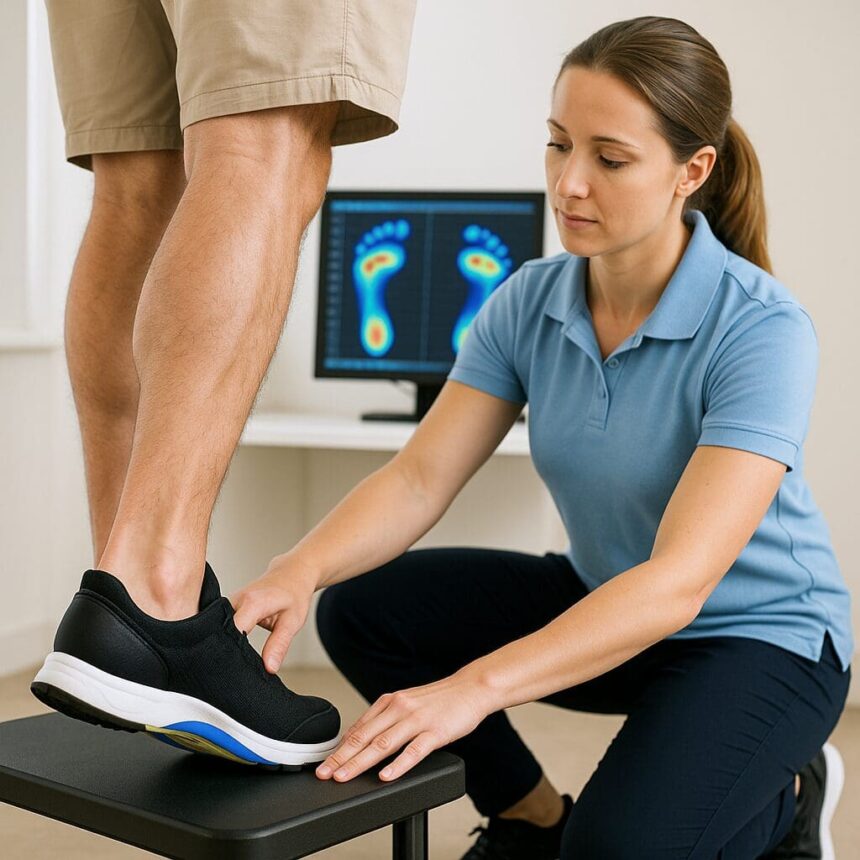
A physical examination follows the history review. The surgeon checks the injured area for swelling, tenderness, bruising, and visible deformity. They assess range of motion, muscle strength, and joint stability, and they may perform specific movement tests to evaluate ligaments and tendons.
Using Diagnostic Imaging
A physical exam provides helpful information, but it does not always reveal the full extent of an injury. Diagnostic imaging lets an orthopedic surgeon view structures beneath the skin. The surgeon selects an imaging method based on the suspected type of damage. Common options include:
- X-rays: These images show bones and help identify fractures, dislocations, and joint alignment issues.
- Magnetic resonance imaging (MRI): An MRI uses magnets and radio waves to produce detailed images of soft tissues, such as ligaments, cartilage, tendons, and spinal discs.
- Computed tomography (CT) scans: CT scans combine multiple X-ray images to create cross-sectional views of complex fractures and bone structures.
- Ultrasound: This method uses sound waves to show tendons and muscles in real time, often while the joint moves.
Personalizing Treatment
After confirming a diagnosis, an orthopedic surgeon creates a treatment plan based on the injury type, its severity, your activity level, and your overall health. Some sports injuries respond to conservative care, while others require procedural intervention. The surgeon discusses the benefits, risks, and expected timeline of each option.
Nonsurgical Treatment Options
Nonsurgical care is often the first approach for mild to moderate injuries. Common options include rest, bracing, activity modification, and anti-inflammatory medications. The surgeon may recommend physical therapy to restore strength and flexibility and offer image-guided injections when pain persists despite these measures.
Surgical Treatment Options
Surgery becomes an option when conservative treatments do not provide sufficient relief or when an injury involves significant structural damage. Some surgeons perform minimally invasive procedures, such as arthroscopy. This uses a small camera and specialized instruments that the surgeon inserts through small incisions. Common procedures include ligament reconstruction, tendon repair, cartilage repair, and fracture fixation.
Guiding Rehabilitation and Recovery
Rehabilitation is a fundamental part of the treatment process. An orthopedic surgeon works with physical therapists to design a program that rebuilds strength, flexibility, balance, and endurance. The program progresses in stages, and each stage introduces new exercises as the tissues heal.
The surgeon monitors progress through follow-up appointments. During these visits, they reassess pain levels, range of motion, and function, and they adjust the rehabilitation plan as needed. Before clearing you to return to sports, the surgeon confirms that the injured area meets specific strength and mobility benchmarks. They may also recommend protective equipment, technique changes, or conditioning routines to reduce the risk of reinjury.
Consult an Orthopedic Surgeon Today
Effective injury recovery relies on precise diagnosis, tailored treatment options, and a structured rehabilitation plan. An orthopedic surgeon plays a key role in guiding patients through this process, making sure that recovery goals are met safely and effectively. Early intervention can also improve outcomes and reduce the risk of long-term complications. Contact a qualified orthopedic surgeon near you to schedule your consultation today.