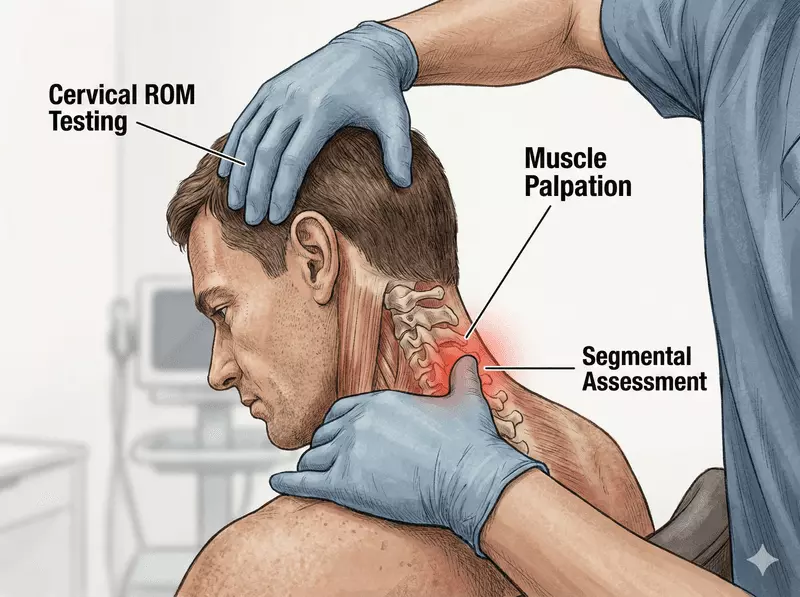
Neck pain is a major reason adults visit a doctor or a pain management clinic, and it can be caused by several conditions. While some neck pain follows an injury, other cases develop slowly as the spine ages. Degenerative conditions wear down the discs, bones, and joints in your neck, and these changes cause pain. Here are some conditions, their typical symptoms, and when to seek care:
Herniated Discs
A herniated disc occurs when the soft center of a disc pushes through a tear in the outer ring. Degeneration weakens this outer layer over time, and a sudden twist or heavy lift may trigger the tear, leading to neck pain. In many cases, the bulging material presses on a nearby nerve root. Watch for these typical symptoms of a herniated disc in the neck:
- Pain in the neck or between the shoulder blades
- Pain that travels down one arm
- Numbness or tingling in the hand or fingers
- Weakness when gripping or lifting objects
Degenerative Disc Disease
Your cervical spine contains soft discs that cushion the bones in your neck, and each one has a tough outer ring and a gel-like center. Over time, the discs lose water, and they become thinner and less flexible. This gradual wear may begin during middle age.
Thinner discs absorb less shock, and the bones above and below them move closer together. When this happens, nearby nerves and joints may feel extra pressure. The result is typically a dull, ongoing ache in the neck. Some people also feel pain that spreads into the shoulders or upper back.
Disc wear does not always cause symptoms. Adults may show disc changes on X-rays or MRI scans, but they feel no pain. When pain does occur, it typically worsens after long periods of sitting or looking down. A provider can confirm the diagnosis with a physical exam and imaging.
Spinal Stenosis
The spinal canal surrounds and protects your spinal cord, and stenosis narrows this space. Bone spurs, thickened ligaments, and bulging discs all contribute to the narrowing. Since the cord and nerves have less room, they may become compressed. This condition most often affects adults over age 50.
Cervical stenosis typically develops gradually over several years. Some people notice clumsy hands or trouble with buttons, and others have problems with balance. Neck pain and stiffness may also occur. If you notice these changes, a provider will likely test your reflexes, grip strength, and walking.
Facet Joint Arthritis
Facet joints connect the vertebrae at the back of your neck, and smooth cartilage lines each joint. As this cartilage wears away, the bones rub together and may form bone spurs. Some people also develop headaches at the base of the skull. Stiffness typically peaks in the morning, and turning your head to check traffic may feel difficult. Treatment options include interventional medicine, anti-inflammatory medicine, and activity changes.
Find Treatment for Neck Pain
Many degenerative neck conditions respond to nonsurgical care, and treatment plans vary from person to person. If neck pain lasts more than a few weeks, schedule an exam with a medical provider. A provider can examine your neck and order X-rays if your symptoms call for them. Schedule an appointment, and a pain specialist can provide further care.