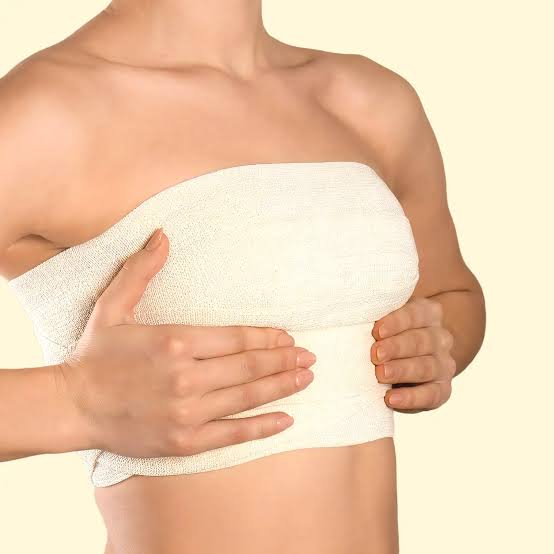
Breast reconstruction rebuilds the shape of one or both breasts after a mastectomy. Reconstruction focuses on the chest, but weight changes and tissue harvesting can affect other areas. Excess skin removal surgery removes excess skin and fat, while tightening the support tissues that shape your body. Each procedure targets a specific area, and you will discuss one or several options with your surgeon.
Balanced Breast Lift Procedures
Reconstruction can leave the rebuilt breast and the natural breast at different heights or shapes. A surgeon may lift a lower side, and the two sides align more closely. The goal is closer symmetry between the two breasts. Skin elasticity and breast volume may both change after reconstruction, and these changes may affect how each breast looks over time. Excess skin removal surgery addresses these shifts by refining the breast’s contour and position. Your surgeon will assess both breasts at your consultation, noting differences in projection, skin quality, and nipple placement.
Sometimes, an implant adjustment or fat grafting may be recommended with a mastopexy in order to improve overall balance. This assessment helps them plan a lift that works with your existing reconstruction. Timing affects this procedure. Some patients have a mastopexy during reconstruction, but others wait until the rebuilt breast settles. Settling can take months, and your surgeon will track the changes at follow-up visits. Ask your surgeon which timeline fits your reconstruction method.
Effective Abdominal Contouring Procedures
If your reconstruction used implants, your abdomen remains untouched, and a tummy tuck can address loose skin there. Your weight should be stable before scheduling a tummy tuck, as weight changes after surgery affects your results. Your surgeon will review your abdominal skin, muscle tone, and any prior scars. They will also ask about your activity level, since returning to exercise takes time. Core strength rebuilds gradually. Some patients combine a tummy tuck with other contouring procedures, but each addition extends your time in surgery. Talk with your surgeon about which combination fits your health and your goals. Flap reconstruction changes this picture. This means the abdomen has already been altered, so additional contouring may be limited. Prior abdominal surgery can affect blood flow, so careful planning matters.
Targeted Lower Body Contouring
Two main procedures address the lower body after breast reconstruction:
- Lower body lift: Removes a band of skin around the waist and lifts the abdomen, buttocks, and thighs in one surgery; requires stable weight beforehand and limits sitting and bending for several weeks.
- Medial thigh lift: Targets the inner thighs by removing sagging skin through a discreet incision in the groin crease; this is performed alone or combined with a lower body lift.
Your surgeon removes a band of skin around the waist, and they lift the remaining tissue upward. This option suits patients with loose skin across several areas, but it requires a longer recovery than single-site procedures. Stable weight before surgery helps your surgeon plan how much skin to remove. Your surgeon may limit sitting and bending for several weeks after the procedure.
Book Excess Skin Removal Surgery
Your next step is a consultation with a plastic surgeon. Bring a list of the areas you want to treat, and share your full treatment history. Ask about recovery time. While procedures are sometimes combined, each added area extends your time in surgery.