Laser hair removal is a cosmetic treatment that uses concentrated light energy to reduce unwanted hair growth, and patients benefit from understanding the procedure beforehand. The light is absorbed by the pigment in the hair follicle. It then converts to heat, which damages the follicle’s ability to produce new hair, reducing future growth over time. Here is more information on what to expect during a first session:
What Is Laser Hair Removal?
Laser hair removal is a cosmetic procedure that uses concentrated light to reduce unwanted hair growth. When light energy reaches the hair follicle, it converts to heat, damaging the structure that produces new hair. Common treatment areas include the legs, underarms, face, and bikini line. Results vary from person to person; skin tone, hair color, and hormonal activity all influence outcomes.
Multiple sessions are generally needed, since hair grows in different cycles, and only actively growing follicles respond to treatment at any given time. Each session targets a portion of the follicles. Because regrowth patterns differ between individuals, the total number of sessions required varies by treatment area and the patient’s unique hair growth cycle.
How Does It Work?
Laser hair removal works by using concentrated light to disable hair follicles, and the process follows several distinct mechanisms:
- Melanin targeting: The laser targets melanin, the pigment found in hair follicles, which absorbs the light energy.
- Heat conversion: Once absorbed, the light energy converts into heat, damaging the follicle enough to inhibit future hair growth.
- Growth phase selectivity: Only follicles in the active anagen phase are affected during a single session.
A consultation prior to treatment may include a skin assessment to determine the appropriate laser settings for the individual.
What Does a Session Involve?
A typical appointment begins with a review of the treatment area. The clinician will also discuss any changes in medication, sun exposure, or skin condition since the last visit, as these factors can influence laser settings and outcomes. The treatment area should be shaved beforehand; this allows the laser to focus energy on the hair follicle rather than the hair above the skin’s surface.
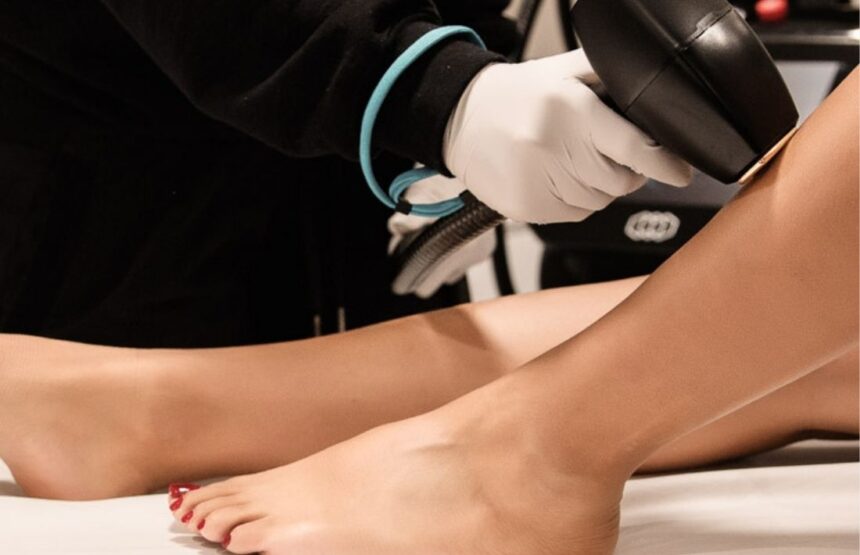
Protective eyewear is provided to shield the eyes from the laser light, and the clinician then applies the laser to the treatment area in a systematic pattern. The device moves methodically across the skin. When patients describe the sensation, they may compare it to a quick, warm snap, like a rubber band lightly flicking the skin.
Session length depends on the size of the treatment area. Smaller regions, such as the upper lip, may take only a few minutes; larger areas, like the back or legs, can take closer to an hour because the clinician must cover a greater surface area. Treatment time varies, and patients should plan accordingly.
What Happens After?
Mild redness and swelling around the hair follicles are common immediately after treatment. It may subside within a couple of days. Applying a cold compress helps manage discomfort, while avoiding direct sun exposure supports recovery during this period. Hair shedding may occur gradually over a few weeks, as the body naturally expels treated follicles. Subsequent sessions are scheduled according to the clinician’s recommended timeline.
Know What To Expect
Laser hair removal follows a structured process; this process includes a consultation to assess skin and hair type, a series of sessions targeting follicles in their active growth phase, and a recovery period marked by mild redness and gradual shedding. Understanding each stage helps patients approach treatment with clear expectations. If you are evaluating this option, discuss your medical history and skin type with a clinician to determine candidacy.