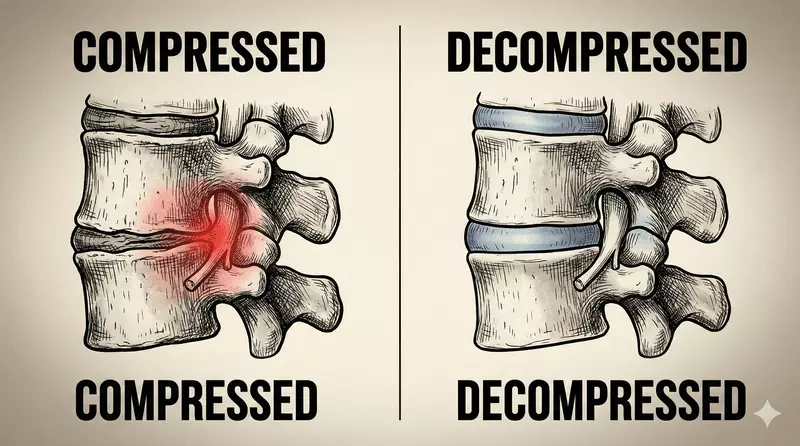
A vertebral compression fracture is a break in one of the bones of the spine. These bones are called vertebrae, and they stack together to support your body and protect your spinal cord. When a vertebra fractures, its front portion often collapses, and the bone takes on a wedge shape. A pain clinic will have options for your treatment plan.
Understand What Causes Fractures
Vertebral compression fractures can have several causes, and knowing what to look for helps you book the right pain clinic.
Recognize Osteoporosis and Bone Loss
Unlike fractures from falls or collisions, vertebral compression fractures often occur with little force. When osteoporosis reduces bone density, the vertebrae grow weak and may collapse under everyday pressure. Bending, lifting a light object, or even coughing can cause a fracture. Many people may be unaware of bone density loss, but it happens gradually.
Know Your Risk Factors
Other conditions also weaken the spine. Cancer sometimes spreads to the bone, and long-term steroid use can thin it. Severe trauma, such as a car accident, can fracture even a healthy vertebra. If any of these apply to you, talk to your doctor about prevention, because early action can make a real difference.
Note Your Fracture Symptoms
Some fractures cause sudden back pain, but others develop slowly with mild or no pain. Pain often worsens when you stand or walk, and it may ease when you lie down. Some also notice limited movement in their spine. Pain from a compression fracture is usually felt in the mid or lower back. It can radiate to the sides of the body, and some people feel it in the abdomen. The pain may be sharp at first, and it will become a dull ache over time. Everyday activities like getting dressed become difficult. Fatigue is common when your body works harder to manage discomfort. Some people also experience nerve-related symptoms. If the fractured bone presses on a nearby nerve, you may feel tingling or numbness in your legs. Muscle weakness can follow, and this will affect your balance. These symptoms need to be reported to your doctor because they indicate that the fracture needs prompt attention.
Explore Your Treatment Options
Your doctor may recommend a combination of the following:
- Rest: Limit activities that put stress on the spine during early healing.
- Pain medicine: Over-the-counter or prescription options can help manage discomfort safely.
- Back brace: Limits spinal movement and reduces pressure on the fractured vertebra.
- Physical therapy: Builds muscle support around the spine and improves balance and posture.
If pain continues after several weeks of conservative care, your doctor may suggest a minimally invasive procedure. Two options worth discussing are kyphoplasty and SpineJack®. Kyphoplasty involves inserting a small balloon into the fractured vertebra to create space, then filling it with bone cement that hardens to stabilize the bone. It is often discussed when the fracture is recent and conservative care has not brought relief. Most people return home the same day, and recovery is generally shorter than with open surgery.
Book a Pain Clinic Today
Schedule an appointment with a spine specialist, and bring a list of your symptoms. A vertebral compression fracture requires proper evaluation. Ask about bone density testing, since treating osteoporosis can lower your risk of future fractures. When you meet with your doctor, describe your pain clearly. Clear information helps you make informed decisions about your care.