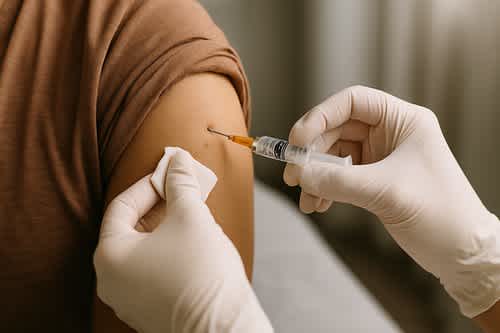
Vaccines train the immune system to recognize specific pathogens, and most contain a weakened, inactivated, or partial form of a virus or bacterium. Some newer vaccines use genetic instructions, such as messenger RNA, to prompt cells to produce a harmless protein on the pathogen’s surface. When the vaccine enters the body, the immune system responds by producing antibodies and memory cells. These memory cells can recognize the same pathogen if a person encounters it later. Here’s more information on the role of vaccines in preventing the spread of infectious diseases among individuals and communities:
Protects You From Long-lasting Complications
Many infectious diseases can cause effects that continue long after the initial illness ends. Measles may lead to pneumonia, brain swelling, or hearing loss in some cases. Polio can cause permanent paralysis. Chickenpox infection leaves the virus dormant in nerve tissue, where it may later reactivate as shingles. Hepatitis B infection can become chronic and may contribute to liver damage over time. Human papillomavirus (HPV) is associated with several types of cancer.
Vaccines are designed to lower the likelihood of infection with these pathogens. Health organizations base vaccine recommendations on research into how well each vaccine reduces the risk of severe illness. No vaccine offers complete protection, but vaccination lowers the risk of serious illness for many people. Discussing these complications with a healthcare provider can help you understand which vaccines apply to your age, health history, and travel plans.
Prepares Your Immune System
While vaccines work mainly with the adaptive branch, the immune system has two main branches:
- The innate immune system responds quickly to general threats.
- The adaptive immune system learns to target specific pathogens over time.
After vaccination, B cells produce antibodies that bind to a specific antigen, and T cells help coordinate the immune response and can destroy infected cells. Some of these B and T cells become memory cells that remain in the body for months or years.
Without prior exposure, the immune system often needs one to two weeks to mount a full response; memory cells allow a faster response during a later encounter. Some vaccines require more than one dose to build a strong response. These booster doses help maintain immunity for vaccines whose protection decreases over time, especially for severe, highly contagious diseases.
Supports Your Peers
Herd immunity, or community immunity, occurs when a large share of a population is immune to a disease. Immunity can come from vaccination or prior infection. When enough people are immune, a pathogen has fewer opportunities to move from person to person. This indirect protection can extend to people who are not immune.
Some people cannot receive certain vaccines. This group may include newborns, people undergoing chemotherapy, and people with specific immune disorders. Others may not develop a strong immune response to a vaccine, so they rely on those around them to limit the spread of disease. The percentage of immune people needed for herd immunity varies by disease.
Measles spreads so easily that an estimated 95% of a community may need to be immune to interrupt transmission. Each vaccinated person increases a community’s overall immunity, and higher vaccination rates may reduce outbreak risk. When vaccination rates drop, outbreaks of previously controlled diseases can return.
Get Up-to-date Vaccines
Vaccine recommendations change based on age, health conditions, occupation, and travel plans. Adults may also need vaccines that weren’t available during childhood. Some vaccines, such as the annual influenza vaccine, are updated to match circulating strains. Staying current with recommended vaccines is one step you can take to help protect yourself and the people around you. To learn more about your vaccine history and options, contact a family medicine practitioner to schedule an appointment.