Most adults with healthy vision should schedule an eye exam every one to two years. Those with existing eye conditions, diabetes, or a family history of eye disease may need annual visits; children and seniors sometimes require more frequent checks. Because vision changes can occur gradually and without noticeable symptoms, regular exams are integral for detecting conditions like glaucoma before they progress. Here is more information on eye exams:
What Is an Eye Exam?
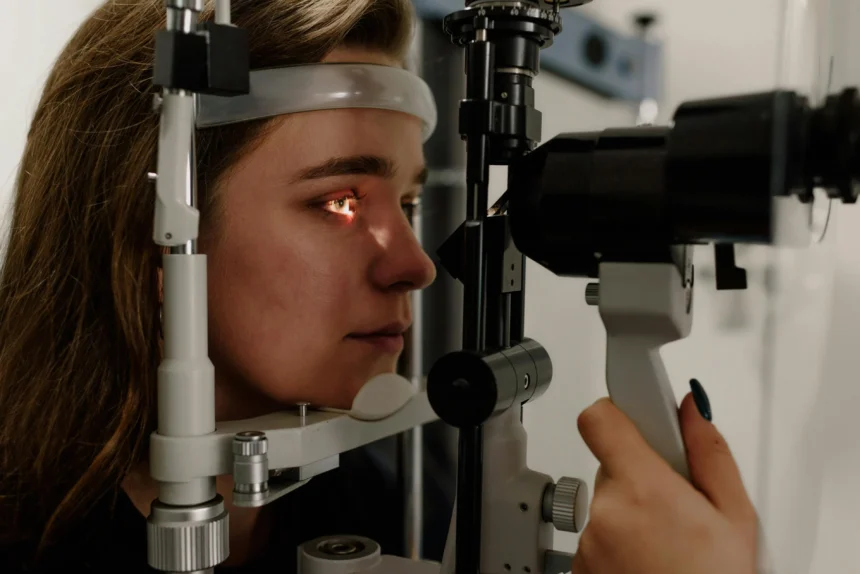
An eye exam, which includes a series of tests performed by an ophthalmologist, helps assess a patient’s vision and overall eye health. These exams screen for refractive errors like nearsightedness and farsightedness, and they also identify diseases such as glaucoma, cataracts, and macular degeneration. Ophthalmologists use specialized equipment to examine the internal and external structures of the eye, including the retina, optic nerve, and cornea. These structures are key to overall ocular health.
What Does It Involve?
A comprehensive exam involves several structured assessments designed to evaluate both visual function and ocular health.
- Medical history review: The provider begins by reviewing the patient’s medical history and current symptoms.
- Visual acuity testing: The ophthalmologist assesses visual acuity using a standardized chart.
- Functional evaluation: The provider tests how the eyes focus and work together.
These assessments provide valuable information on a patient’s ocular health, enabling accurate diagnosis and informed treatment planning.
When Should It Be Scheduled?
Scheduling frequency depends on age, health history, and risk factors, and an ophthalmologist can recommend an appropriate schedule. Adults with no known eye conditions generally benefit from an exam every 1 to 2 years. Older adults may visit annually, since the likelihood of developing cataracts, glaucoma, or macular degeneration increases with age.
When someone experiences blurred vision, eye pain, or sudden changes in sight, they should contact an ophthalmologist promptly rather than waiting for a scheduled appointment. These symptoms can signal conditions that require immediate attention, and timely evaluation is beneficial. Delaying care when these symptoms are present may lead to complications.
How Are Regular Exams Beneficial?
Regular eye exams allow providers to detect conditions before they cause noticeable symptoms. Glaucoma often progresses silently; it can gradually damage the optic nerve without producing early warning signs. Identifying it during a routine exam gives patients a better chance at preserving long-term vision. Regular exams also track subtle changes in prescription strength over time, which helps patients maintain clear vision for driving, reading, and other daily tasks.
Routine visits establish a baseline that ophthalmologists can compare with future results, and this makes it easier to identify developing issues like diabetic retinopathy, macular degeneration, and elevated intraocular pressure. Early detection is central to effective treatment. When providers identify these conditions before symptoms emerge, they may have more treatment options to consider.
The benefits of regular exams extend beyond ocular health. Because exams can reveal signs of systemic conditions such as diabetes and hypertension, they serve as a broader health checkpoint, positioning routine eye care as a valuable part of overall preventive health management. Eye exams are not solely a measure of visual acuity; they provide clinically relevant information that supports comprehensive health monitoring.
Consult an Ophthalmologist Now
Eye exams combine several tests designed to assess both vision and overall eye health. Scheduling frequency varies by age and health history, but waiting too long between visits may increase the risk of complications. Regular exams help patients catch problems early and preserve long-term vision. If you notice changes in your eyesight, contact an ophthalmologist to schedule a visit.