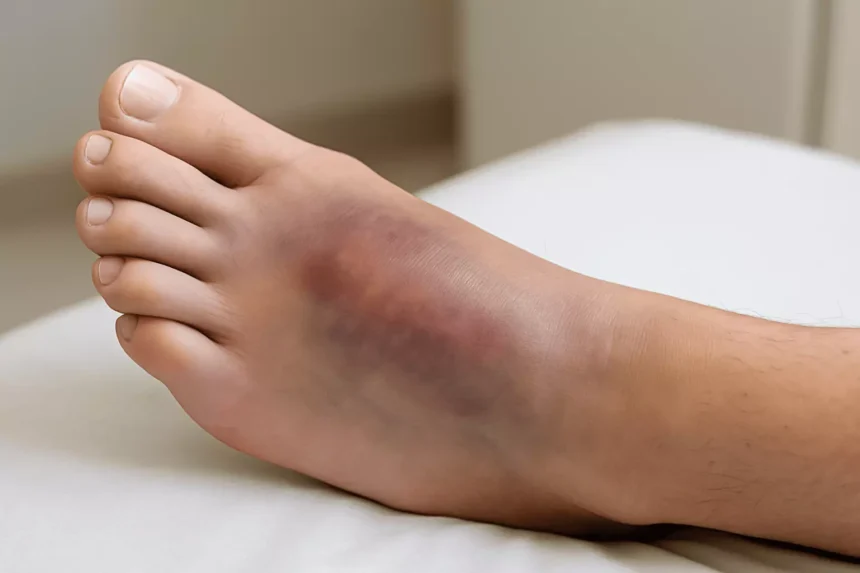
Foot pain affects people of all ages and activity levels, and it can impact your overall health. Your feet support your full body weight, and they absorb force with every step. When pain develops in the heel, arch, or toes, it often changes how you move. Here is more information on foot pain and your overall health:
Reducing Activity
Exercise feels harder with foot pain, so many people cut back on walks or workouts. Muscle strength and endurance decline without regular use. While rest helps some injuries heal, long periods of inactivity weaken the muscles that support your feet. Weaker muscles provide less support, and the foot absorbs more stress.
When activity drops, your body may burn fewer calories each day. Weight gain may follow. Extra weight adds pressure to your feet, and the pain may worsen as a result. This cycle makes it harder to return to your usual routine.
Altering Posture
When one part of your foot hurts, you naturally shift weight away from it. This shift changes the alignment of your ankles, knees, and hips. You may not notice these changes at first. Your body adapts quickly, but these adaptations place uneven stress on your joints.
Heel pain pushes weight toward the toes, and arch pain may cause your foot to roll outward. Since these patterns repeat thousands of times a day, they gradually reshape your stance. You may notice tightness in their calves or lower back first. Your shoes may also show uneven wear on one side.
Poor posture typically doesn’t stay limited to one area. As your hips tilt to protect a sore foot, your spine adjusts to the change. Over months, this strain builds, and some people develop chronic back or neck discomfort.
Limiting Mobility
Once walking becomes painful, you may start to avoid stairs, curbs, and uneven ground. Your stride shortens, and your balance becomes less steady. Simple errands start to require more planning. These limits affect everyday tasks in several specific ways:
- Slower walking pace and shorter walking distances
- Hard time standing for long periods at work
- Increased trouble climbing stairs or getting out of a car
- Higher risk of trips and falls, especially for older adults
Pain and discomfort can make short trips feel like major challenges, further limiting mobility over time. You might find yourself hesitating before taking a single step. When reduced mobility sets in, it interrupts daily routines, creating a cycle that’s hard to break without intervention.
Leading to Broader Problems
Foot pain sometimes signals a larger health issue. Since nerves and blood vessels run through your feet, symptoms there may reflect conditions elsewhere in the body. Some problems begin in the feet, and others simply show up there first. Typical links include the following:
- Diabetes: may cause numbness, tingling, or slow-healing sores
- Arthritis: causes joint stiffness, swelling, and morning pain
- Circulation issues: can lead to cold feet, color changes, or cramping
- Gout: causes sudden, sharp pain and redness in the big toe
Get Treated for Foot Pain
If foot pain lasts more than a few days, have a medical provider examine it. A provider will check your gait, footwear, and symptoms. Early evaluation helps identify the cause, and treatment options depend on that diagnosis. Walk in during our extended hours to have your foot pain evaluated by our caring team.