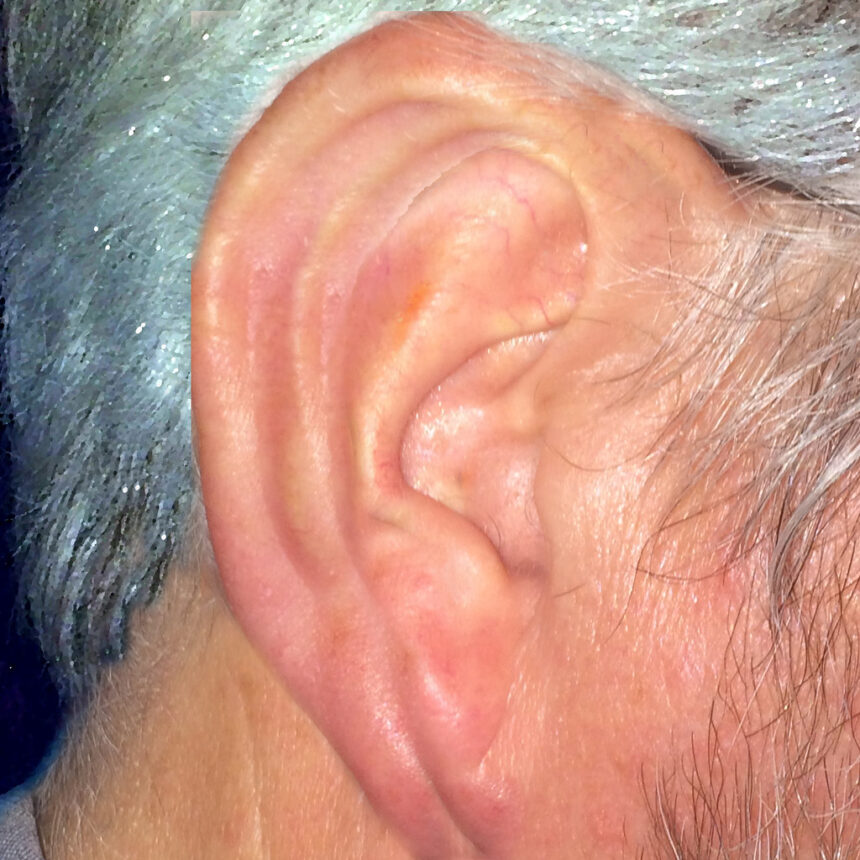
An ear infection happens when bacteria or viruses affect part of the inner ear. Most often, it affects the middle ear, the air-filled space behind the eardrum. Ear infections are more common in children, but adults can develop them too, especially after a cold, the flu, a sinus infection, or an allergy flare-up. These conditions can cause swelling in the eustachian tubes, which are narrow passages that connect the middle ear to the back of the throat. When the tubes become blocked, fluid collects behind the eardrum. Here’s more information on ear infections in adults and when to get urgent care:
Experiencing Ear Drainage
Adults can also develop outer ear infections, sometimes called swimmer’s ear, when water stays trapped in the ear canal. Smoking, secondhand smoke exposure, and changes in air pressure may also contribute to ear infection issues. Whether the infection is in the inner or outer ear, it often causes many symptoms besides ear pain. Ear drainage is fluid that leaks from the ear canal; it is clear, white, yellow, or tinged with blood, and it may have an unpleasant odor. Drainage occurs when pressure builds behind the eardrum, causing a small tear, or when the skin of the outer ear canal becomes irritated or infected.
If ear pain is accompanied by drainage, you may need urgent care to treat the infection. An urgent care provider can examine the ear canal and eardrum to help identify the source of the fluid. Some symptoms overlap with other conditions, such as earwax buildup or jaw problems. A provider can help determine the cause. The common signs of an infection in adults include:
- Experiencing Sharp, Dull, or Throbbing Pain
- Having a Feeling of Fullness or Pressure
- Having Pain That Increases When Lying Down or Chewing
- Experiencing Itching or Redness in the Outer Ear Canal
Experiencing Hearing Difficulties
Hearing changes are a common symptom of ear infections in adults, and they may affect one ear or both ears. Fluid behind the eardrum can limit how well sound travels through the middle ear. As a result, voices, music, and other sounds may seem muffled or distant. Swelling in the outer ear canal also commonly blocks sound from reaching the eardrum. Hearing may improve as the fluid clears, but a healthcare provider should evaluate any change in hearing.
Some adults notice ringing, buzzing, or popping sounds in the affected ear. These sounds may happen when pressure shifts inside the middle ear. The inner ear also helps control balance; as a result, some people feel dizzy or off balance. Seek prompt evaluation for sudden dizziness, severe hearing loss, or balance problems that affect daily activities.
Experiencing a Fever
In adults, a temperature of 100.4°F or higher is a fever, which occurs when the body responds to an infection. Fevers are more common with ear infections in children, but they can still develop in adults, especially when the ear infection follows a respiratory illness. A fever may appear with other symptoms, such as chills, fatigue, headache, or body aches. A high fever, a fever lasting more than a few days, or a fever with severe ear pain calls for prompt medical attention. You can track your temperature with a thermometer and note how long the fever lasts to help your healthcare provider understand your symptoms.
Treat Your Ear Infection
Ear pain, drainage, hearing changes, and fever can make daily tasks harder to manage. An urgent care provider can examine your ears and discuss care options based on your needs. Many urgent care facilities offer walk-in visits, so you may not need to schedule an appointment. To learn about your urgent care options, contact a nearby urgent care facility today to ask about their walk-in hours.