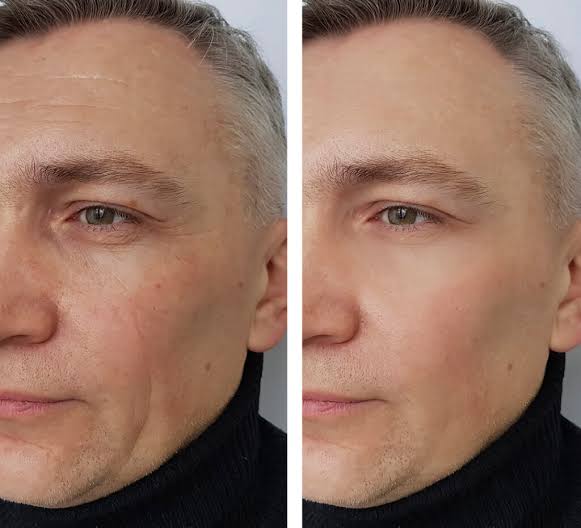
Botox is a customizable cosmetic treatment that individuals can use for various purposes, including reducing forehead wrinkles. It is a purified protein derived from botulinum toxin, and a trained professional administers it in small, controlled amounts. Understanding the science behind how it works clarifies what this treatment actually involves. Here’s more information about how Botox helps reduce the appearance of wrinkles:
Understanding the Science Behind Botox
The nerves and muscles communicate using a chemical messenger called acetylcholine. When a nerve signals a muscle to contract, it releases this messenger, and the muscle tightens in response. Botox temporarily blocks this release at the injection site, which keeps the targeted muscle relaxed rather than contracting as it normally would. Targeted placement is central to how the treatment delivers results. Surrounding muscles continue to function as usual because the effect stays limited to the specific injection site. A trained professional administers the product through tiny injections into specific facial areas; this controlled approach lets it act on intended muscles without affecting a broader area.
Exploring How Wrinkles Form
To understand why Botox produces the results it does, it’s helpful to look at how dynamic wrinkles develop. The face contains many small muscles, and they contract each time an individual makes an expression. Frowning, smiling, or raising the eyebrows all pull on the skin above these muscles. Over years of repeated movement, the skin may begin to hold the shape of those contractions.
Several types of wrinkles that form this way include:
- Forehead creases from repeated brow raises
- Frown lines between the eyebrows from squinting or concentrating
- Crow’s feet at the corners of the eyes from smiling and squinting
- Bunny lines along the nose bridge from scrunching expressions
- Lip lines from repeated pursing movements
These are dynamic wrinkles, which means muscle motion directly drives their formation. Lines that appear even when the face is at rest sometimes involve other factors, such as skin texture or volume changes; these may respond differently to Botox treatment.
Seeing the Results Over Time
When a treated muscle stays relaxed, it no longer pulls repeatedly on the overlying skin. That skin then has room to smooth out because the repeated creasing motion stops. Think of folding a piece of paper in the same spot many times; a permanent line may form. Stop the folding, and the surface begins to settle.
The results of Botox are temporary. The body naturally breaks down the protein over time, and nerve signals gradually return to the muscle, restoring movement. As the muscle regains its activity, the treated lines typically begin to reappear. Result duration varies based on the area treated and the amount used, which is why outcomes differ from person to person.
Consult a Skin Care Professional
Botox reduces the appearance of dynamic wrinkles by temporarily relaxing the facial muscles that create them. It works by interrupting the nerve-to-muscle signal, which allows the skin above to appear smoother. Three body processes drive the overall process; these include nerve signaling, muscle contraction, and the skin’s response to repeated movement. If you’re contemplating getting Botox, consult a qualified professional to help you determine whether this treatment aligns with your goals.