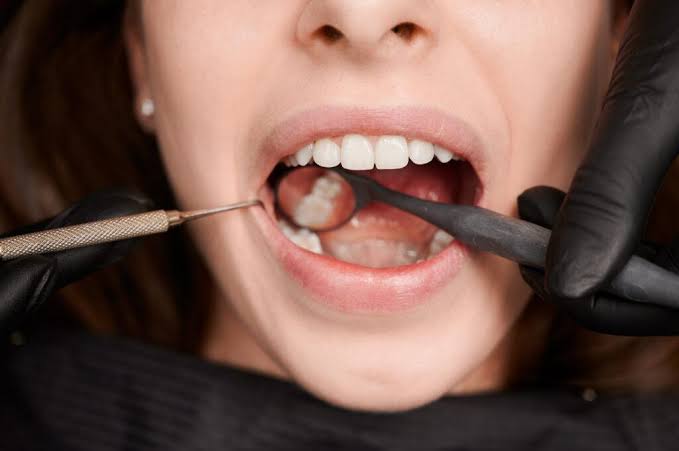
Cavities and gum disease are widespread oral health concerns, and both respond well to consistent preventive habits. Cavities form when bacteria-produced acids erode tooth enamel, while gum disease develops as plaque accumulates along the gumline and irritates surrounding tissue. Daily routines, dietary choices, and professional checkups by a dentist all influence these conditions. Here are some tips for reducing dental issues and promoting healthier teeth and gums:
Brush and Floss Daily
A consistent cleaning routine is a significant part of oral disease prevention. Brushing twice a day removes the plaque that collects on tooth surfaces, and a soft-bristled toothbrush covers those surfaces without causing unnecessary wear on the gums. Two minutes per session gives you enough time to address every zone. You should also replace your toothbrush regularly, as this helps keep the bristles working effectively.
Flossing reaches areas the toothbrush cannot. The tight spaces between teeth trap plaque and debris, and leaving them unattended contributes to both cavities and early-stage gum disease. Guide the floss in a C-shape around each tooth, moving it gently up and down along the side before shifting to a fresh section for the next gap.
If standard floss is difficult to manage, floss picks and interdental brushes are practical alternatives. These can make cleaning between teeth easier and more convenient; this helps you maintain a consistent daily oral hygiene routine. Pairing thorough brushing with consistent flossing creates a comprehensive routine that addresses the surfaces most at risk.
Choose Tooth-Friendly Foods
Diet directly influences the environment inside your mouth. Sugary snacks and drinks provide fuel for bacteria that produce acids, which can damage tooth enamel. Frequent snacking throughout the day gives bacteria repeated access to carbohydrates; this increases the risk of cavities. Limiting sweets and replacing sugary beverages with water helps to reduce acid exposure and promote a healthier oral environment.
Certain foods can support tooth health. Crunchy fruits and vegetables help remove plaque through the mechanical action of chewing, while saliva washes away food debris and neutralizes acids. Dairy products provide calcium; this mineral is key for maintaining strong teeth and tooth enamel. The following choices can help support oral health:
- Drinking water, such as fluoridated tap water, as your primary beverage
- Eating crunchy produce, such as apples, carrots, and celery
- Consuming calcium-rich options like cheese, yogurt, and milk
- Limiting your intake of sticky candies, sodas, and processed sweets
Schedule Professional Dental Care
Home dental habits address the surfaces you can reach, but professional care manages what brushing and flossing leave behind. Hardened plaque, known as tartar, bonds to tooth surfaces and requires special instruments to remove. Routine appointments every six months allow hygienists to clear this buildup before it advances into more serious conditions, such as cavities and gum disease.
A standard checkup includes an examination of the teeth and gums, a professional cleaning, and a review of your home routine. Dentists identify early-stage issues during these visits, which helps narrow the range of treatment required. Keeping appointments on a consistent schedule transforms professional care from a reactive measure into a proactive one. Fluoride treatments, applied during a dental visit, add another layer of protection; they help reinforce enamel structure. Your dentist evaluates your individual situation and recommends whether additional fluoride support fits your needs.
Consult a Dentist Today
Preventing cavities and gum disease depends on habits such as cleaning your teeth thoroughly each day, making tooth-friendly dietary choices, and maintaining regular professional care. Each area supports the others, and consistency across all three can produce optimal results. Schedule your next dental appointment today, and ask a dentist how to improve your oral health.