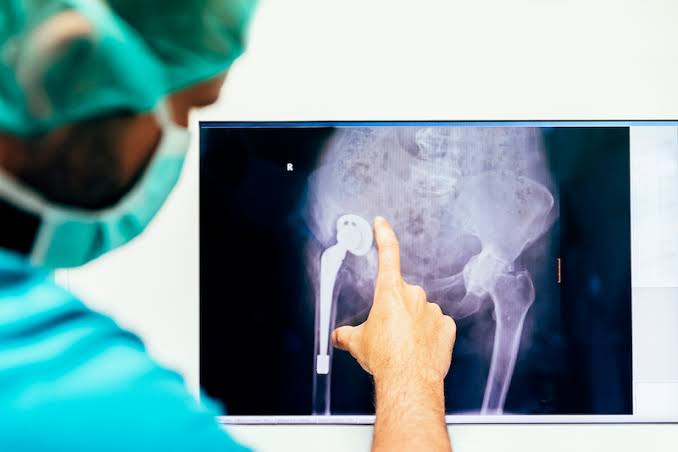
Hip replacement replaces a worn or damaged joint. Your hips help you bend and rotate your legs, and healthy joints support daily movement. Arthritis often causes this damage, so many people explore surgery when pain limits their walking and comfort.
Surgical Techniques and Approaches
Modern hip replacement offers several approaches, with the right choice based on your anatomy and health history. Surgeons remove the damaged joint and insert an implant that restores function. Implants are made from metal, ceramic, or plastic, and each material has unique durability and compatibility advantages. Minimally invasive hip replacement uses smaller incisions, reducing tissue disruption during the procedure. Smaller incisions mean less muscle cutting, so your body has less to repair after surgery. Revision hip replacement addresses earlier implants, letting surgeons correct wear or loosening that develops over time. This approach requires careful planning. Your surgical team uses imaging to assess the implant before operating. Your surgeon reviews your health, and they recommend the method that fits your condition and goals.
Nonsurgical Treatment Options
Not every hip problem requires immediate surgery. Arthritis is a common cause of hip pain, and early care can help you manage symptoms before surgery becomes necessary. Your care team evaluates your imaging, reviews your symptoms, and discusses all options before surgery becomes the primary plan. When nonsurgical care no longer controls your symptoms, hip replacement often becomes the next step you discuss. Common nonsurgical first steps include:
- Weight management: Reducing joint load can slow symptom progression.
- Physical therapy: Targeted exercises help maintain mobility and strengthen surrounding muscles.
- Anti-inflammatory medications: These can help manage pain and reduce swelling.
- Platelet-rich plasma injections: These minimally invasive injections use components from your own blood and may help reduce inflammation in some patients.
- Symptom tracking: Keeping a record of your pain levels and daily limitations helps your provider understand how your condition is progressing.
Common Timeline and Progress
Physical therapy strengthens the muscles around your new joint, and it helps you regain stability. Your therapist guides you through exercises. These protect the implant and build function. Minimally invasive hip replacement may shorten recovery timelines, but your progress depends on your health and effort. Some people return to light activities within weeks, and harder tasks follow as strength returns. Your care team sets milestones, adjusting your plan as you heal.
At-home exercises reinforce your in-clinic work, so consistency between sessions speeds progress. Following instructions protects the implant while you rebuild strength and mobility. Swelling and mild discomfort are normal at first, and your team can help you manage both. Avoiding high-impact activity during healing protects your new joint. Your surgeon will tell you when it is safe to return to more demanding movement.
Book a Hip Replacement Consultation
Hip pain does not have to define your routine. A consultation gives you clear information, and it helps you understand your options. Your surgeon reviews your history, examines your joint, and explains which technique suits your needs. Contact the team today to discuss your symptoms while planning your next steps toward improved movement.