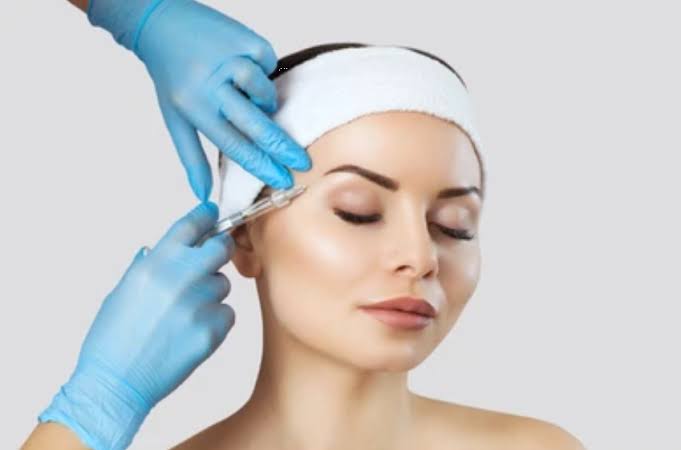
Aesthetics focuses on enhancing a person’s natural features through treatments designed to address specific cosmetic concerns. Individuals often seek aesthetic treatments to improve skin texture or create greater balance among their features. Here is a closer look at the role of aesthetics in enhancing your natural appearance:
Improving Skin Quality
Skin quality often affects the first impression of your overall appearance. Aesthetics treatments can target concerns like uneven tone, rough texture, and visible sun exposure, and they aim to support a smooth surface over time. A trained provider first assesses your skin type, then recommends options that fit your goals.
Treatments in this category vary, and each one addresses a different concern. Here are some common options:
- Chemical peels: These treatments remove surface layers to encourage even-looking skin.
- Microneedling: This method uses tiny controlled channels to support the skin’s natural renewal.
- Facials and resurfacing: These treatments target texture and tone through cleansing and controlled exfoliation.
- Topical care plans: A provider may recommend products that maintain results between visits.
Restoring Facial Volume
Facial volume tends to change as we age, and this change often affects the cheeks, temples, and areas around the mouth. Aesthetics treatments in this category aim to replace lost fullness and support a balanced look. A provider studies your facial structure, and then maps areas where subtle restoration may help.
Volume-focused treatments require careful planning, so a consultation is a fundamental first step. Your provider reviews your features, discusses your goals, and explains realistic outcomes. This methodical approach helps you understand each option before you proceed.
Refining Facial Features
Feature refinement focuses on definition and balance across the face. Some adults want softer lines, while others seek subtle contour along the jaw or brow. Aesthetics providers approach this work with precision, and they prioritize proportion over dramatic shifts.
Assessing Your Facial Balance
A provider examines how your features relate to one another before recommending any treatment. This assessment covers symmetry, proportion, and the way light falls across your face. This review helps guide decisions that support harmony, and the observation informs the final plan.
Setting Realistic Goals
Clear goals inform a successful treatment plan, so your provider discusses expectations early. This conversation covers what a treatment can achieve and what falls outside its scope. Honest guidance helps you make informed choices, and realistic goals often lead to results you can maintain.
Personalizing Aesthetic Care
A personalized plan is fundamental to aesthetics. A provider reviews your history, concerns, and goals before recommending any treatment. This approach respects your unique features and avoids a one-size-fits-all approach. Personalization also affects the timing and sequence of treatments. Some goals require a single visit, while others benefit from a gradual schedule. Your provider maps this timeline and adjusts it as your needs change. Results from aesthetics treatments may fade over time, so follow-up visits help sustain your appearance. Your provider explains how often to return and sets expectations for each stage.
Schedule Your Aesthetics Appointment Today
A well-structured aesthetics plan is key to achieving and maintaining your desired results. You can support consistent progress by following a personalized timeline and scheduling regular maintenance. Clear communication with your provider helps adapt the plan as your needs change and set realistic expectations at every stage. Contact a modern med spa near you to schedule your aesthetics appointment today.