

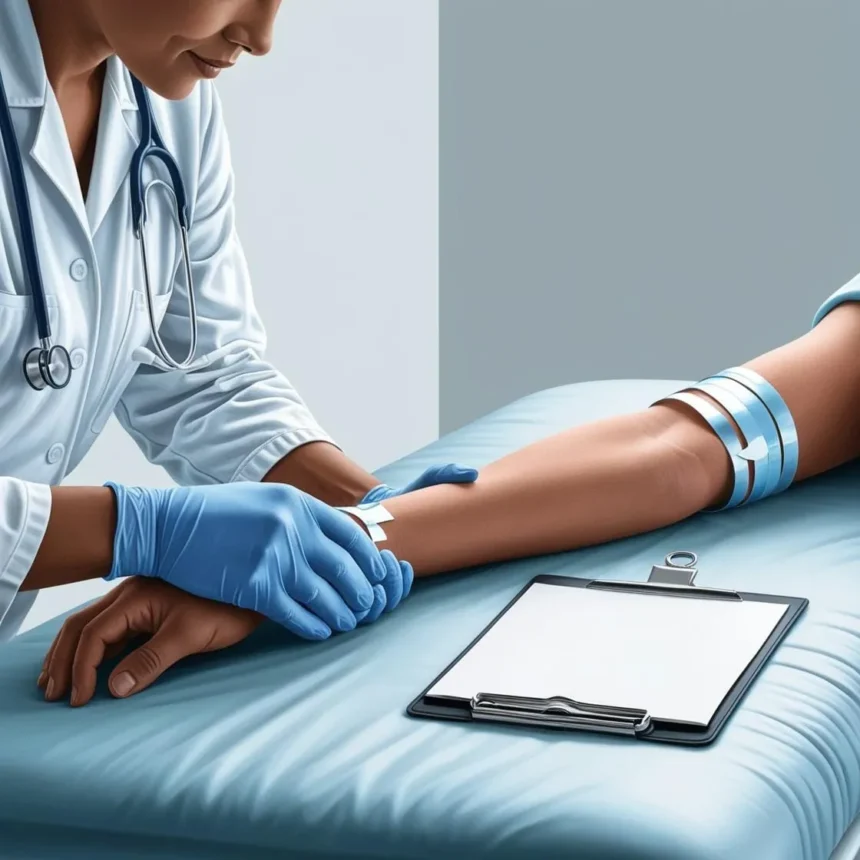
An initial oncology appointment includes a detailed review of the patient’s medical history and health concerns. The oncologist gathers relevant information, and patients have time to discuss their diagnosis, questions, and treatment needs. Because cancer care varies by diagnosis, this information guides discussions about testing, treatment options, and personalized care. Here is more information about what to expect during your first visit with an oncologist:
Completing Initial Paperwork
New patients are able to complete paperwork before an oncology appointment. Intake forms collect medical history and medication information, and previous records can provide additional background about the patient’s diagnosis. When available, pathology reports, imaging results, and referral documents may also provide useful information for the oncologist. Bringing requested records allows the care team to review relevant medical information during the initial visit.
Reviewing Your Medical History
The oncologist reviews the patient’s medical history during the initial visit. This discussion helps cover previous illnesses, surgeries, medications, and family history, while additional questions provide more information about overall health. When relevant, the oncologist may also ask about lifestyle factors that relate to the patient’s medical history.
Current symptoms are also discussed during the appointment. Patients are able to describe pain, fatigue, or other changes, and the oncologist can ask when these symptoms began. Because symptom patterns provide additional medical information, patients may prepare notes about changes they have noticed before the visit.
Undergoing a Physical Exam
A physical examination is able to follow the medical history review. The oncologist evaluates the patient’s general condition, and the examination is able to focus on areas related to the diagnosis. Basic measurements may also be recorded during the appointment.
The examination varies according to the patient’s medical needs. An oncologist helps to check lymph nodes or specific areas of concern, while previous findings can guide the examination. When symptoms affect a particular area, the oncologist may evaluate that location more closely.
Physical findings provide additional information for the oncology evaluation. The oncologist reviews these findings alongside medical records, and other diagnostic information may also contribute to the assessment. Because each diagnosis differs, the examination is based on the patient’s individual medical circumstances.
Discussing Diagnostic Testing
Diagnostic testing provides additional information about a cancer diagnosis. The oncologist may review existing results, and additional tests are able to be discussed based on the type of cancer. When further evaluation is needed, testing can provide information about the cancer and other factors related to treatment planning. Testing may include:
- Ordering blood tests: Evaluating blood cell counts, organ function, and other measurements related to the patient’s overall health.
- Reviewing imaging studies: Examining CT scans, MRIs, or PET scans to gather information about the location and extent of cancer.
- Examining biopsy results: Reviewing tissue samples to identify cancer cells and gather additional information about the specific diagnosis.
- Discussing genetic testing: Evaluating certain genetic changes when this information is able to relate to the cancer or available treatment approaches.
Each diagnostic test provides different information. The oncologist explains the purpose of recommended testing, and results may influence discussions about available treatment options. Because testing needs vary by diagnosis, the evaluation process is based on each patient’s individual medical circumstances.
Schedule Your Oncologist Visit
An initial oncologist visit provides time to review a diagnosis and medical history. Patients can bring medical records and medication lists, and written questions are able to organize topics for discussion. Because each diagnosis requires individual evaluation, the oncologist may discuss testing, examination findings, and possible treatment options during the appointment. Schedule an oncologist visit today to discuss your diagnosis, questions, and available next steps.