Mohs surgery treats skin cancer by removing thin layers of tissue one at a time. Each layer gets examined under a microscope, and this guides the next step. A surgeon repeats the process until no cancer cells remain. Since it targets only affected tissue, it spares healthy skin around the site.
Initial Consultation
Your first visit for Mohs surgery begins with a review of your skin cancer diagnosis. While the surgeon examines the treatment area, you talk through what happens next. This early conversation helps you feel prepared for the procedure ahead. You learn how long the day may take, and you ask questions freely.
During this appointment, the team gathers details that shape your care. Since scheduling matters, staff explains the timeline before you arrive. You share your medical history, and they note any medications you take. Bring a list of your prescriptions to keep this step simple.
Local Anesthetic Administration
The surgeon numbs the treatment area using a local anesthetic. You stay awake, and you feel little to no pain during the work. Since the medicine acts quickly, treatment starts soon after the injection. Tell your surgeon if any discomfort returns partway through.
Removed Layers of Skin
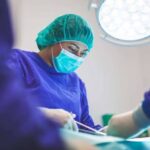
After the area numbs, the surgeon removes a thin layer of tissue. This first layer includes the visible tumor, and it goes straight to the lab. The surgeon works carefully around the edges. You rest nearby while the team studies the sample.
The removed tissue gets mapped and marked for examination. A technician processes the sample, and the surgeon reviews it under a microscope. Since the map shows exact locations, the surgeon knows where cancer remains. This step guides every decision that follows.
While the lab works, you wait in a comfortable area. The review takes time, and you might read or rest during it. Bring a book or your phone to pass the hours. Since each layer needs careful study, taking your time helps the day go smoothly.
Repeated Process
If cancer cells remain, the surgeon removes another layer of skin. Only the affected area gets treated, and healthy tissue stays in place. Since the process repeats until margins are clear, several rounds may occur. This method keeps the wound as small as possible.
Each new layer follows the same steps as the first. The number of rounds varies from person to person. You get more anesthetic if needed, and the lab checks each sample. When clear margins signal the end, the surgeon stops once no cancer shows. Here is what a typical repeat round involves:
- The surgeon removes another thin tissue layer
- The technician prepares and maps the sample
- The surgeon reviews the tissue under a microscope
- The team decides whether more removal is needed
Book a Mohs Surgery Consultation
Mohs surgery follows a clear, step-by-step method for treating skin cancer. Since the process depends on your specific case, a consultation gives you accurate details. A surgeon reviews your diagnosis and answers your questions directly. Contact a dermatology clinic near you to schedule your Mohs surgery consultation. Call today to book your appointment and take the next step.