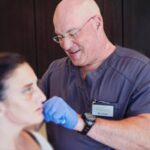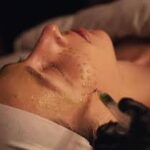
Balloon sinuplasty is a minimally invasive treatment for chronic or recurring sinus blockages. Your doctor inserts a thin catheter into the blocked sinus, and a small balloon gently widens the opening. Since the procedure involves no cutting or tissue removal, most people return home the same day. This is how to manage the first days after treatment:
Control Swelling
After the balloon widens your sinus openings, the nearby tissue may swell for a few days. It typically takes two days to heal after balloon sinuplasty. You may feel pressure in your cheeks, or your nose may feel stuffy. These steps may help limit swelling:
- Apply a cold compress to your cheeks and nose.
- Avoid bending over, heavy lifting, and strenuous exercise.
- Skip blowing your nose, or as your doctor directs.
- Take only the pain relievers your doctor approves.
Some pain relievers thin the blood, so ask your doctor before taking aspirin or ibuprofen. If swelling increases after the third day, contact your provider’s office. Fever, worsening pain, or vision changes also need prompt medical attention. Keep a short symptom log to share with your doctor.
Keep Nasal Passages Moist
Dry air irritates healing nasal tissue. When the lining dries out, crusts may form and block the treated openings. A humidifier adds moisture to your bedroom, and it may reduce morning dryness. Aim for moderate indoor humidity.
If you use a humidifier, clean it daily according to the manufacturer’s directions. Standing water grows bacteria and mold, and dirty units release them into the air. Distilled water limits mineral buildup in the tank.
Your doctor may recommend a saline nasal spray, or they may suggest a gel for the nostrils. To stay hydrated, drink plenty of water throughout the day. Hydration thins mucus so that it drains more easily.
Elevate Your Head
When you lie flat, blood and fluid collect in the sinus area. This pooling adds to pressure and congestion. Sleep with two or three pillows under your head, or use a wedge pillow. Elevation helps fluid drain away from the treated area.
Some people prefer sleeping in a recliner for the first few nights. A recliner keeps your upper body raised, and it limits rolling onto your face. Keep your head above heart level while you rest during the day.
Rinse With Saline Solution
Saline rinses flush out mucus and debris, and they help keep the sinus openings clear. Most doctors advise starting rinses one to two days after the procedure, although timing varies. Tap water straight from the faucet is unsafe for nasal rinsing. Follow your provider’s specific schedule. Use these guidelines for each rinse:
- Use only distilled, sterile, or boiled and cooled water.
- Mix the saline packet fully before rinsing.
- Lean over a sink and tilt your head to one side.
- Squeeze the bottle gently rather than forcefully.
- Wash and air-dry your rinse bottle after every use.
Book Balloon Sinuplasty Follow-ups
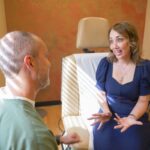
Most providers schedule a follow-up one to two weeks after the procedure, and some add a later visit. The doctor examines your nasal passages and removes any crusting. If you have questions about symptoms or rinsing, write them down before the appointment. Call your provider’s office to book or confirm your follow-up date.