An MRI gives your care team a detailed view inside your body. It uses magnets and radio waves in order to create clear images. Your doctor reviews these images, and the results help shape your treatment plan. You may be uncertain before your first scan, but knowing what happens helps ease that concern.
Imaging Before Treatment
An MRI shows the size and location of a tumor. It captures soft tissue clearly, so your team can map affected areas with precision. Your doctor uses these images to understand the full picture before making any decisions. Here is what imaging before treatment typically involves:
- Tumor mapping: An MRI reveals detail in soft tissue that other scans, like X-rays, may miss, helping your doctor identify the exact size and location of the tumor.
- Combined imaging tools: A CT scan or ultrasound may be used alongside an MRI, with each tool adding a different layer of detail.
- Treatment guidance: These images guide early decisions, helping your doctor plan surgery, radiation, or medication with greater accuracy.
- Specialist review: Your radiologist and oncologist review the MRI results together, examining the boundaries of the tumor, nearby tissue, and any signs of spread.
- Baseline tracking: Detailed images from the start give your team a clear baseline, making it easier to track changes accurately as treatment moves forward.
Preparing for Your Scan
Preparation keeps your scan accurate, and it keeps your experience comfortable. You may need to remove metal items, avoid eating, or drink contrast fluid beforehand. The MRI scanner makes banging and buzzing noises, so your technologist offers earplugs or headphones. Scans don’t need a sedative unless you are claustrophobic; some people tolerate the open-bore device without one. Tell your team about any concerns, and they will walk you through each step. If you have metal implants or a pacemaker, let your care team know before your appointment. You will lie still on a padded table. The technologist will monitor you from a nearby room throughout the entire process. You can speak with them at any time if you need a break or have a question.
Monitoring During Treatment
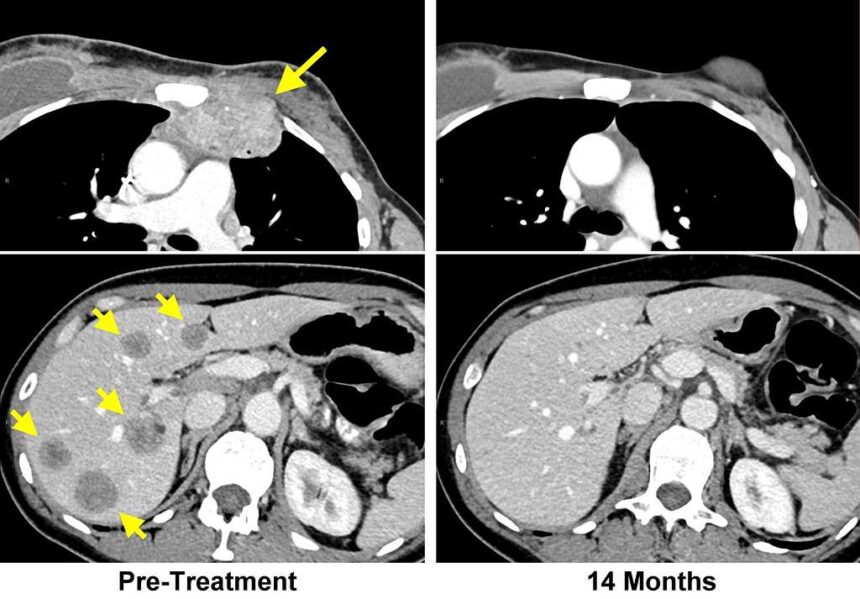
Monitoring tracks how your body responds over time. Your team may repeat an MRI to see whether a tumor shrinks or stays stable. These follow-up scans compare current images to earlier ones, so changes become easy to measure. If results shift, your doctor may adjust your plan, and new imaging helps confirm the next step. Regular monitoring also helps your team catch side effects early. Your doctor reviews each scan along with your other test results, and this full picture guides changes to your care. The frequency of your follow-up scans depends on your treatment type and how your body responds.
Some patients have scans every few weeks, while others are monitored every few months. Your care team sets a schedule that fits your situation. They will explain the reasons behind each imaging appointment. Pain management supports your comfort throughout the monitoring process, so you can attend each appointment without added difficulty.
Schedule Your MRI Today
An MRI plays a central role in cancer treatment planning. It reveals detail while tracking your progress at every stage. Talk with your care team about your questions, and they will explain what to expect. Book your scan when you are ready, and take one clear step toward your plan.