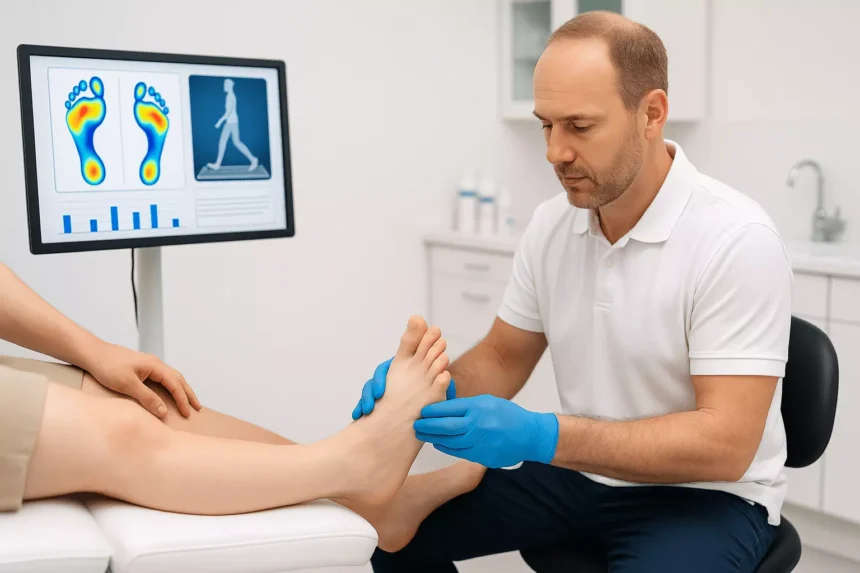
A podiatrist diagnoses and treats foot and ankle conditions with conservative and advanced treatment options. People visit a podiatrist for many reasons, from persistent pain or bunions to sports injuries or diabetes-related complications. Many local podiatry practices offer a range of in-office procedures and therapies after a condition has been diagnosed. Here’s information on three podiatry services and how they work:
Ingrown Toenail Surgery
An ingrown toenail happens when the edge of a nail grows into the surrounding skin, leading to redness, swelling, tenderness, and sometimes infection. If conservative care doesn’t resolve the ingrown nail, a podiatrist may recommend a minor in-office procedure. Ingrown toenail surgery begins with a local anesthetic injection that numbs the toe. The podiatrist then removes the ingrown portion of the nail along its border. In some cases, the podiatrist applies a chemical such as phenol to the nail root to reduce the chance that the same section of nail grows back.
This procedure is usually quick, so patients can get it in-office and leave the same day. Aftercare often includes soaking the toe, applying a topical ointment, and keeping the area covered with a bandage. The podiatrist will provide specific instructions based on each patient’s needs and health factors.
Multiwave Locked System Laser Therapy
Multiwave Locked System (MLS) laser therapy is a type of low-level laser therapy, also called photobiomodulation. It uses two synchronized wavelengths of light delivered through pulsed and continuous emissions, so treatment is non-invasive and doesn’t require anesthesia or incisions. In podiatry, MLS laser therapy is used for conditions like:
- Plantar Fasciitis
- Achilles Tendonitis
- Neuromas
- Sprains
- Arthritis
Treatment sessions aim to address pain and inflammation in soft tissues.
Some podiatrists use this therapy on its own, while others combine it with additional treatments. During an MLS therapy session, the provider positions a handheld or robotic laser head over the treatment area. Each session generally lasts 8 to 15 minutes and causes little to no sensation. A treatment plan may involve several sessions spread over a few weeks, as patients can resume normal activities right after the session.
Platelet-rich Plasma Therapy
Platelet-rich plasma (PRP) therapy uses a concentrated portion of the patient’s own blood to encourage tissue healing. Platelets contain growth factors and proteins that support the body’s natural repair process. A PRP procedure starts with an arm blood draw; a centrifuge then separates platelet-rich plasma from other blood components. The podiatrist then injects the concentrated plasma into the treatment area, often a joint.
Growth factors are natural proteins found in blood that play a fundamental role in healing and tissue regeneration. They signal cells to repair damaged tissue, reduce inflammation, and promote new blood vessel formation. When injected into an injured or inflamed area, PRP delivers a high concentration of growth factors directly to the site, accelerating the body’s natural healing process. This targeted approach helps reduce pain and inflammation while encouraging tissue repair and recovery.
Podiatrists may use PRP therapy for musculoskeletal injuries and foot and ankle conditions, such as tendinitis. PRP is also used for ligament injuries, including ankle sprains that have not responded to other care. Other applications include osteoarthritis in the foot and ankle joints, plantar fasciitis, and chronic foot and ankle joint pain. Results vary from person to person, so many patients need more than one injection.
When To Visit a Podiatrist
If a lower-leg condition is impacting your comfort or daily abilities, contact a podiatrist to address your pain. During this first visit, a specialist reviews your medical history and examines the affected area. Imaging such as X-rays or ultrasound may be ordered to support a diagnosis before your provider discusses appropriate treatment options. Before scheduling, check with your insurance provider to confirm coverage and referral requirements. This can help you find a provider more quickly.