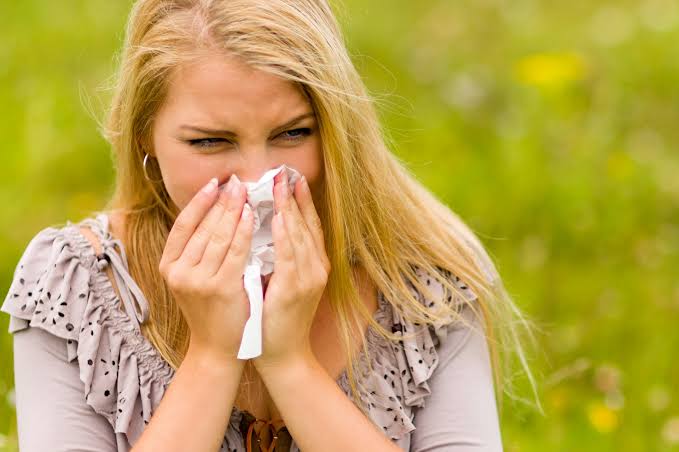
Sinus pain is pressure or aching in the forehead, cheeks, around the eyes, or near the nose; it develops when the sinus lining swells and mucus stops draining normally. For many people, this discomfort is connected to pollen seasons in spring, summer, and fall. Learning how seasonal allergies affect your sinuses helps you recognize and manage your symptoms. Here is some information about the connection between sinus pain and seasonal allergies:
Reviewing How Allergies Cause Sinus Pain
Your sinuses are air-filled spaces in the skull, lined with tissue that produces mucus. Tiny hairs normally sweep this mucus toward the back of the throat. If you have seasonal allergies, your immune system treats harmless substances, such as tree pollen, ragweed, or mold spores, as threats, and it releases histamine in response. Histamine widens blood vessels and makes the sinus lining swell.
Swelling narrows the small openings that let the sinuses drain. Mucus collects behind the blockage, and pressure builds. You may feel a dull ache in your face or head. This ache often gets worse when you bend forward or lie down.
Tree pollen typically peaks in early spring, grass pollen in late spring, and ragweed from late summer until the first frost. Sinus pain may return during the same months each year, and this pattern often indicates an allergic trigger. Tracking when symptoms appear helps you and your healthcare provider link them to specific allergens.
Understanding Allergies vs. Sinus Infections
Both allergies and sinus infections cause congestion, facial pressure, and headaches. The underlying cause differs, so recognizing other symptoms can help you determine which condition you have. Some symptoms to compare include:
- Itching: Unlike infections, allergies often cause itchy eyes, nose, or throat.
- Mucus: Allergies usually produce thin, clear mucus, while infections produce thick yellow or green discharge.
- Fever: Allergies do not cause fever. Infections sometimes do.
- Duration: Allergy symptoms last as long as you are exposed to the trigger. Viral sinus infections typically improve within 7 to 10 days.
The two conditions are also connected. Sometimes swollen tissue traps mucus, and bacteria can grow in the blocked sinuses and cause a secondary infection. If symptoms last longer than 10 days, or improve and then return worse, seek medical evaluation.
Choosing Management Options
Managing sinus pain often begins with reducing your exposure. Check daily pollen counts, keep windows closed on high-pollen days, and run air conditioning with a clean filter. After time outdoors, shower and change your clothes. If symptoms persist, allergists may prescribe medications; these target different parts of the allergic response. Common medications include:
- Oral antihistamines block histamine and may reduce sneezing, itching, and a runny nose.
- Steroid nasal sprays lower inflammation and are usually applied daily over several days.
- Decongestants shrink swollen tissue for short-term relief.
- Saline rinses flush allergens and mucus from the nasal passages.
Allergy testing helps identify your triggers, so treatment can target the right allergens. Immunotherapy is given as shots or tablets. It gradually exposes the immune system to small amounts of an allergen. For structural problems such as nasal polyps or a deviated septum, a doctor may recommend surgical procedures.
Work With a Sinus Specialist
Because seasonal allergies often follow a yearly pattern, sinus pain linked to them tends to return. A sinus specialist reviews your symptoms, medical history, and sinus anatomy to determine an underlying cause. The evaluation may include a nasal endoscopy or allergy testing; results allow your provider to develop a personalized treatment plan. Schedule an appointment with a sinus specialist today.