

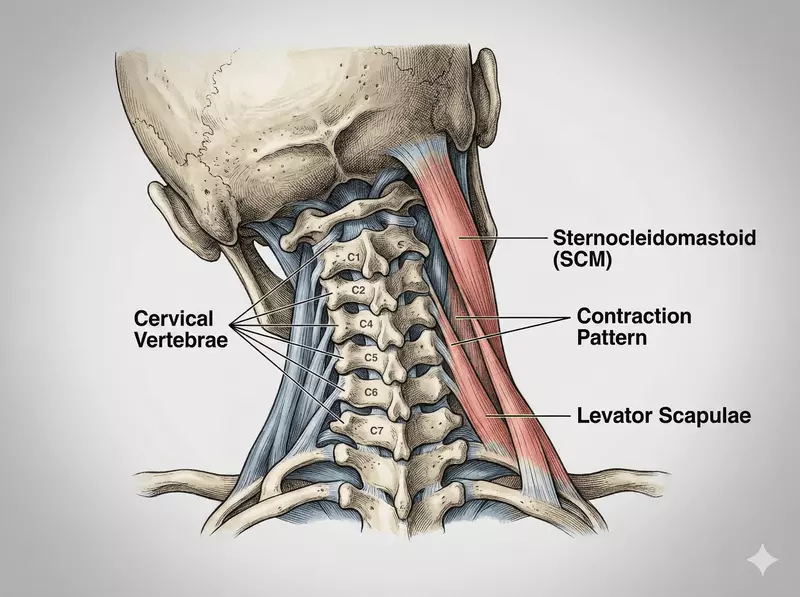
Neck pain may relate to injuries, overuse, osteoarthritis, herniated discs, spinal stenosis, or nerve compression. Mild discomfort may involve rest, heat, or ice, while persistent symptoms sometimes lead to physical therapy or injections. When other treatments do not improve symptoms, doctors may discuss surgical options based on the underlying cause. Here is more information about exploring effective treatments for neck pain:
Understanding Common Causes
Injury or overuse can affect the connective tissues, nerves, discs, and vertebrae that form the spine. Chronic conditions and spinal abnormalities may also contribute to neck pain, depending on the structures involved. Common causes include:
- Developing osteoarthritis
- Experiencing herniated discs
- Having degenerative disc disease
- Developing spinal stenosis
- Experiencing whiplash injuries
- Developing bone spurs
- Having cervical radiculopathy
Cervical radiculopathy involves nerve compression caused by damaged or misaligned tissues and bones pressing on spinal nerves. Symptoms include weakness, numbness, tingling, prickling sensations, and pain, which sometimes extend into the shoulders and arms. A medical evaluation helps identify the source of neck pain and provides information about appropriate treatment options.
Exploring Non-Surgical Treatment Options
Physical therapy can be part of a treatment plan for moderate neck pain. Therapy may include exercises that focus on the muscles supporting the neck and surrounding structures. Treatment plans vary based on symptoms and the source of discomfort.
When pain continues despite physical therapy, a provider might discuss epidural steroid injections. These injections contain anti-inflammatory medication and a local anesthetic. The medication targets inflammation, while the anesthetic numbs the treatment area.
Responses to epidural steroid injections vary among patients. The duration of symptom relief also differs depending on the condition and individual response. A provider might discuss whether injections fit a patient’s symptoms and treatment history.
Reviewing Neck Surgery Options
Surgery may become an option when pain does not respond to conservative treatments. The procedure selected depends on the condition affecting the cervical spine. A discectomy removes a damaged disc, while a microdiscectomy removes only the damaged portion. Decompression surgery involves removing small sections of vertebrae to create more space within the spinal canal. These procedures address different structural problems associated with neck discomfort.
Spinal fusion can join two or more vertebrae using a bone graft. Surgeons sometimes perform fusion following a discectomy or decompression procedure. Artificial disc replacement involves removing a damaged disc and replacing it with an artificial disc. This procedure provides another surgical approach for certain cervical spine conditions. A surgeon might discuss available procedures based on symptoms, diagnosis, and previous treatments.
Choosing Minimally Invasive Surgery
Minimally invasive spine surgery can use smaller incisions than traditional surgical approaches. Surgeons may use these techniques for different procedures based on the condition affecting the cervical spine. Minimally invasive approaches focus on limiting disruption to surrounding tissues while addressing the source of pain. Procedures using these techniques include:
- Performing discectomy procedures
- Completing decompression procedures
- Conducting spinal fusion procedures
- Replacing damaged spinal discs
Start Treating Your Neck Pain
Neck pain treatment can vary based on its underlying cause, severity, and duration. At-home care may address mild discomfort, while physical therapy, injections, or surgery offer other treatment approaches. A spine specialist might review symptoms, medical history, and previous treatments when evaluating neck pain. Schedule an appointment with a spine specialist today to discuss your symptoms and available treatment options.