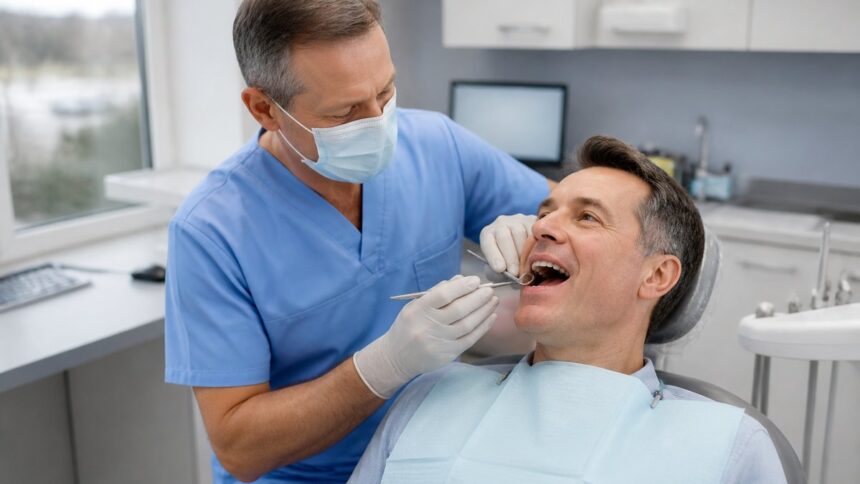
Untreated tooth decay may lead to pain, infection, and tooth loss when damage progresses without treatment. Dental fillings restore teeth by removing decayed tissue and replacing it with durable materials that support normal function. Combined with routine dental exams and proper oral hygiene, restorative treatments help preserve natural teeth and reduce the risk of extractions. Here is more information about fillings and their role in preventing tooth loss:
Detecting Cavities Through Dental Exams
Dental exams help identify cavities before they cause noticeable pain or significant tooth damage. During examinations, dentists inspect tooth surfaces for enamel changes, discoloration, and areas where bacteria may accumulate. Dental X-rays also help detect decay between teeth or beneath existing restorations. Early detection allows dentists to recommend appropriate treatments that preserve natural tooth structure.
Dentists also review oral hygiene habits and dietary choices that influence cavity development. Early warning signs, such as white spots or changes in enamel texture, may indicate developing decay. Identifying these changes helps prevent further damage and reduces the need for more extensive restorative procedures. Regular dental exams also allow providers to monitor tooth health and recommend preventive care.
Removing Decay From Damaged Teeth
Once tooth decay is identified, dentists remove damaged tissue to prepare the tooth for restoration. Specialized dental instruments help remove decayed enamel and dentin while preserving healthy tooth structure. The remaining space is cleaned and prepared for a filling that restores the tooth’s shape and function. This process helps prevent further damage and supports long-term dental health. Common steps during cavity preparation include:
- Isolating the Tooth: Keeping the treatment area dry.
- Removing Decay: Clearing away damaged tooth material.
- Shaping the Cavity: Preparing the space for a filling.
- Smoothing Edges: Refining rough areas before restoration.
Restoring Teeth With Dental Fillings
Dental fillings replace missing tooth structure after decay has been removed, helping restore normal function and prevent further damage. Dentists select filling materials based on cavity size, tooth location, and individual dental needs. Once placed, the filling is shaped to match the surrounding tooth structure and adjusted for a comfortable bite. Properly fitted fillings support everyday chewing, protect weakened areas, and help preserve natural teeth.
Providing Root Canal Treatment
When tooth decay reaches the inner pulp, a standard filling may no longer provide adequate treatment. Bacteria and damaged tissue inside the tooth can cause pain, inflammation, and infection. Root canal treatment removes infected tissue and seals the internal space to help preserve the natural tooth.
During the procedure, dentists access the pulp chamber and remove infected or damaged tissue using specialized instruments. The root canals are then cleaned, shaped, and disinfected before being filled with a sealing material. Depending on the remaining tooth structure, a dental crown or filling may be recommended for additional protection. This restoration helps support normal chewing and reduces the risk of further damage.
Root canal treatment offers an alternative to extraction when a damaged tooth remains suitable for restoration. With proper care, treated teeth may remain functional for many years. Regular dental exams and good oral hygiene help maintain the restoration and support long-term tooth health.
Schedule Your Fillings Appointment Today
Protecting natural teeth begins with routine dental exams, early cavity detection, and appropriate restorative treatments. Dental fillings and other procedures help repair damaged teeth while reducing the risk of further decay and tooth loss. Whether patients experience tooth sensitivity or need routine care, timely evaluations help identify concerns and guide treatment recommendations. Schedule a dental exam today to discuss restorative options and receive personalized guidance on maintaining your oral health.