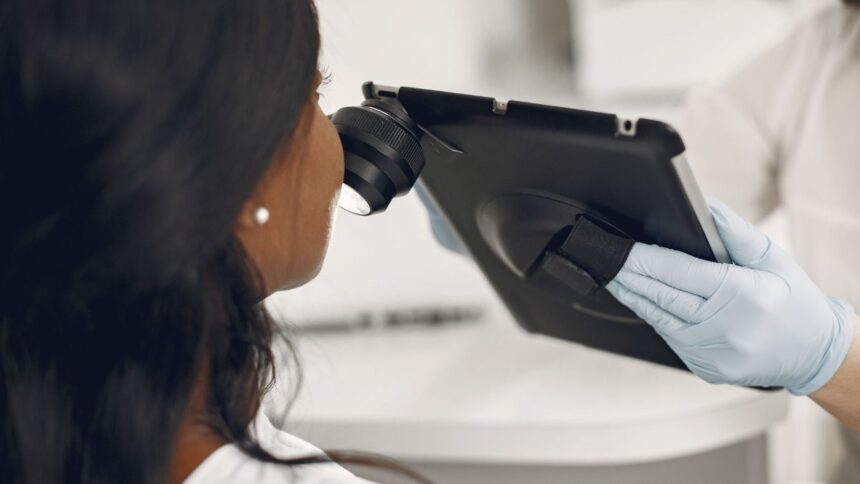
A skin check-up is when a dermatologist examines your skin, hair, and nails for changes; these visits commonly focus on prevention and cancer screening. The appropriate skin check-up schedule varies by person. Some people visit a dermatologist once a year, while others may need more frequent appointments based on age, skin type, sun exposure, and personal or family medical history. A dermatologist can help you determine how often to schedule your check-ups. Here’s more information on the benefits of regular dermatology skin check-ups:
Getting Preventive Skin Check-ups
Preventive skin check-ups aim to identify potential concerns early. They may be especially beneficial if you have a family history of skin cancer, psoriasis, eczema, or other skin conditions. Some conditions run in families, so your dermatologist may recommend a more structured screening schedule for your risk factors. Dermatology practices provide preventive care in several ways; specialists review your medical history, assess your risk factors, and document the appearance of moles, freckles, and other spots. Your dermatologist may also discuss sun-protection habits and at-home self-examination techniques.
During a typical checkup, you change into a medical gown so your provider can examine all areas of the skin. They examine your skin from head to toe, including the scalp, the spaces between toes, and other hard-to-see areas. A handheld magnifying device called a dermatoscope may be used to examine spots in greater detail, but the exam is noninvasive and usually takes 10 to 20 minutes.
Getting Skin Cancer Exams
A skin cancer exam focuses on spots that may require further evaluation. Dermatologists look for growths that are new, changing, or different from surrounding moles. They often evaluate moles using the ABCDE guidelines: asymmetry, border irregularity, color variation, diameter, and evolution over time. If a spot appears unusual, the dermatologist performs a biopsy.
A biopsy procedure involves numbing the area and removing a small tissue sample, which is sent to a laboratory for analysis. Results typically return within one to two weeks, and your doctor will explain the findings and any next treatment steps. When a biopsy confirms skin cancer, several treatment options are available. Mohs surgery is one option a dermatologist may recommend for certain basal cell and squamous cell carcinomas
Mohs surgery is often used for cancers on the face, ears, neck, hands, or other areas where preserving healthy tissue is a priority. During Mohs surgery, a specially trained surgeon removes thin layers of tissue one at a time. The surgeon examines each layer under a microscope until no cancer cells are detected. This treatment may also be recommended for tumors that are large, have unclear borders, or have returned after previous treatment.
Getting Routine Skin Check-ups
Routine skin check-ups address your overall skin health, so these appointments give you an opportunity to discuss concerns like:
- Acne
- Rosacea
- Dryness
- Rashes
- Skin Texture Changes
You can also ask about what treatments suit your goals. Some dermatology facilities offer cosmetic and therapeutic treatments to support skin health. Light therapy, also known as phototherapy, uses controlled wavelengths of ultraviolet light to manage certain skin disorders. Dermatologists may use it for conditions such as psoriasis, eczema, and vitiligo.
Laser skin resurfacing is another treatment option where fractional lasers treat small columns of skin in a grid pattern while leaving the surrounding tissue intact. This approach prompts the skin’s natural healing response to improve the appearance of fine lines, wrinkles, sun damage, and acne scars. Your dermatologist can review whether these or other treatments are appropriate for your skin type and medical history.
Find a Dermatology Clinic Today
Whether you want cancer screenings or general care, a dermatologist can evaluate your skin based on your individual health factors. Regular skin check-ups also create a consistent record of your skin’s health over time. Your dermatologist will create a check-up schedule that fits your needs, and you can adjust it as your health factors change. For personalized skin advice, schedule an appointment with a dermatologist near you.