Rosacea is a chronic skin condition that often begins with frequent facial flushing and may develop into persistent redness. Additional symptoms include visible blood vessels, acne-like bumps, skin irritation, and thickening around the nose. Because symptoms and triggers vary, dermatology providers evaluate individual skin concerns and recommend treatments to manage flare-ups and ongoing discomfort. Here is more information about treatments for rosacea:
Recognizing Symptoms
Rosacea often begins with recurring facial flushing and may progress to persistent redness, visible blood vessels, or skin irritation. Symptoms vary between individuals, and facial redness may be less noticeable on darker skin tones. Dermatology providers evaluate different rosacea presentations to identify affected areas and recommend appropriate treatment options. Common symptoms include:
- Noticing visible blood vessels: Observing small, enlarged vessels beneath the facial skin.
- Developing acne-like bumps: Experiencing swollen, inflamed bumps or pus-filled lesions on the face.
- Experiencing eye irritation: Noticing dryness, swelling, redness, or discomfort affecting the eyes and eyelids.
- Developing thickened skin: Observing skin enlargement or uneven texture, particularly around the nose.
- Feeling burning sensations: Experiencing warmth, stinging, or persistent sensitivity across affected facial areas.
Treating Rosacea Topically
Topical medications are commonly prescribed to manage rosacea symptoms, including facial redness, inflammation, and acne-like bumps. These treatments are applied directly to affected skin, with medication selection depending on individual symptoms and rosacea presentation. Dermatology providers may recommend combining prescription creams or gels with gentle skincare routines and adjustments to known triggers. Because treatment responses vary, follow-up appointments help providers evaluate skin changes and modify recommendations when appropriate.
Exploring Oral Treatments
Oral medications may be recommended for rosacea when topical treatments do not adequately manage inflammation or acne-like bumps. Dermatology providers sometimes prescribe oral antibiotics to address inflammatory symptoms associated with the condition. Treatment selection depends on symptom severity and individual medical history.
Certain patients may receive other oral medications, including low-dose isotretinoin, for persistent or severe rosacea symptoms. Because these medications have different risks and monitoring requirements, providers evaluate treatment responses and adjust prescriptions when appropriate. Oral treatments may also be combined with topical medications and individualized skincare routines.
Reducing Redness With Lasers
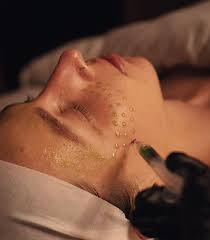
Laser therapy may help reduce visible blood vessels and persistent facial redness associated with rosacea. Dermatology providers use targeted light energy to address vascular changes while evaluating individual skin characteristics and treatment needs. Because rosacea symptoms vary, laser procedures may complement topical medications, oral treatments, and daily skincare routines. Supportive skincare habits include:
- Applying sunscreen daily
- Using gentle skincare products
- Avoiding harsh exfoliating treatments
- Identifying personal rosacea triggers
- Limiting exposure to known triggers
Schedule a Rosacea Consultation
Rosacea shows up differently for everyone, and the subtype you have shapes which treatments make the most sense for you. Whether your symptoms show up as occasional flushing or more persistent bumps and visible veins, a tailored combination of topical, oral, and laser treatment addresses the condition from multiple angles. Living with unexplained redness gets old fast, and identifying the right treatment plan starts with a proper diagnosis from a dermatology provider. Schedule a consultation today to find out which rosacea subtype you have and start building a treatment plan suited to your skin.