Transitional housing provides individuals recovering from substance use with a safe, structured living environment between treatment and permanent housing. These programs combine stable shelter with recovery-focused support services, and they include life skills training, peer counseling, and case management. Because residents need a strong foundation for long-term independence, these services are central to the model. Here is more information on this type of housing and how it helps individuals in recovery:
Transitional Housing
Transitional housing refers to short-term residential programs that bridge the gap between formal treatment and independent living. Unlike emergency shelters, which focus on immediate safety, transitional housing emphasizes stability and skill-building over weeks or months. Residents may share a house or apartment complex with others in recovery. Participation is voluntary, but residents must follow the facility’s guidelines once they are accepted.
Rules vary by facility, but potential requirements include curfews, mandatory house meetings, and drug testing. Because some populations have unique needs, certain programs tailor their services to provide appropriate support. The goal remains consistent across most models: give residents the time and structure needed to transition safely into permanent, independent housing.
Recovery Needs
Recovery involves more than abstaining from substances. People leaving treatment sometimes face unemployment, damaged relationships, and limited financial resources; these challenges may compound one another. Transitional housing addresses them by combining a stable residence with structured expectations that mirror independent living.
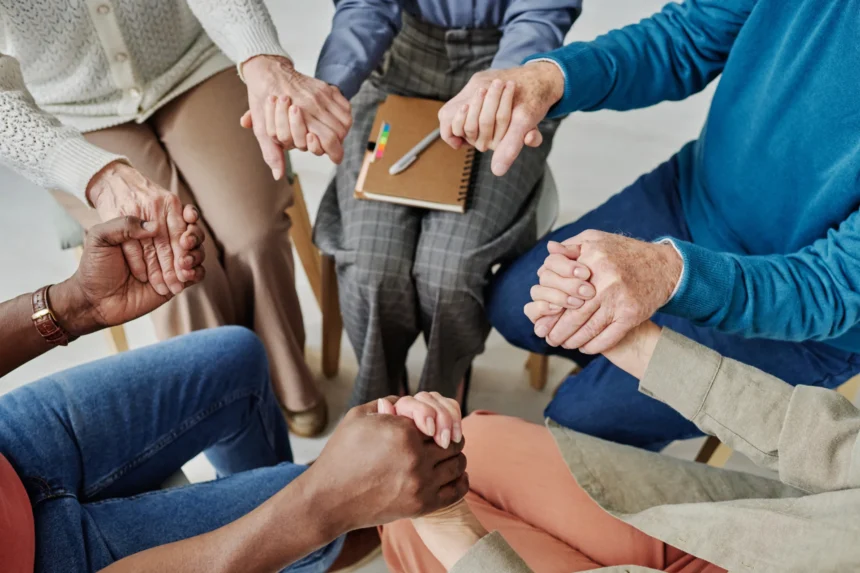
Daily routines within these programs reinforce accountability; residents may manage chores, attend house meetings, and follow curfews that build discipline. Some programs may also require employment or active job searching. This helps residents regain financial independence while surrounded by peers who face similar circumstances. Since isolation is a relapse trigger, this structure places residents within a community that understands their experience, and it helps reduce the risk of withdrawal from others.
Financial stability represents another core need. Transitional housing may cost less than independent rentals. This gives residents room to save money, pay down debt, or complete job training. Sober living requirements support this stability, and together they create conditions favorable to long-term recovery. Residents may be less likely to return to unstable circumstances when they have both financial and structural support.
Support Services
These programs pair stable shelter with services that help residents manage daily responsibilities while they work toward emotional stability and independent living. Life skills training is a foundational offering, and it may cover budgeting, meal preparation, job searching, and time management. Active addiction may cause residents to overlook these skills. They affect a resident’s ability to maintain independence after leaving the program.
Peer-to-peer counseling and support groups give residents regular opportunities to process their experiences alongside others who understand addiction firsthand. These meetings contribute to a network of mutual accountability. Case management assistance connects residents to resources beyond the housing program itself. Case managers help residents apply for jobs, enroll in healthcare, access mental health services, and locate permanent housing once they complete the program. Residents are still rebuilding stability, so this coordinated support helps reduce their administrative burden and lets them focus on recovery.
These services provide the following benefits:
- Increased independence
- Reduced relapse risk
- Improved access to resources
Learn More About Transitional Housing
Transitional housing helps individuals in recovery; by combining safe housing with life skills training, peer support, and case management, these programs address the practical realities that determine whether recovery lasts long term. If you are evaluating housing options, start by researching programs in your area. Reach out to a program in your area today.