A hernia occurs when an organ or fatty tissue pushes through a weak spot in the surrounding muscle or connective tissue, often through the abdominal wall. Hernias most often develop in the abdomen and groin; they appear as a bulge that becomes more noticeable when you stand, cough, or lift something heavy. A hernia surgeon is usually a general surgeon who monitors and repairs hernias. Some people have no symptoms, while others experience pain, pressure, or a dragging sensation. You may need a surgeon if a hernia causes ongoing discomfort or a bulge that doesn’t flatten when you lie down.
How Are Hernias Diagnosed?
Diagnosis begins with a physical exam. Your surgeon will look for a bulge and may ask you to stand, cough, or strain to make the hernia easier to see or feel. Some hernias are difficult to detect during an exam. In these cases, your surgeon may order an ultrasound, CT scan, or MRI to confirm the diagnosis and determine the hernia’s size and location. The most common types of hernias include:
- Inguinal Hernias: Form in the groin and are more common in men.
- Femoral Hernias: Develop in the upper thigh near the groin and are more common in women.
- Umbilical Hernias: Appear at or near the belly button.
- Incisional Hernias: Occur at a previous surgical incision.
- Hiatal Hernias: Form when part of the stomach pushes up through the diaphragm.
You will also be asked about your symptoms, medical history, past surgeries, and physical activity.
When Is Surgery Necessary?
Hernias generally do not resolve on their own, but not every hernia requires immediate surgery. For small hernias that cause few or no symptoms, your surgeon may recommend watchful waiting with regular check-ups to monitor for changes. Surgery is often recommended when a hernia causes pain, grows larger, or interferes with work, exercise, or daily routines. Certain types, such as femoral hernias, carry a higher risk of complications and are more likely to be repaired early.
Emergency attention may be necessary if a hernia becomes incarcerated or strangulated, often requiring emergency surgery at a hospital. An incarcerated hernia is trapped outside the muscle wall and cannot be pushed back in. A strangulated hernia has its blood supply cut off, which requires prompt treatment.
What Is Hernia Surgery Like?
Before surgery, your general surgeon will review your medical history, explain the procedure, and give you instructions on diet, fluids, and medications. Hernia repair is typically performed using a minimally invasive approach, but some situations require open surgery, which involves a single, longer incision near the bulge. Laparoscopic and robotic-assisted surgery use several small incisions and a camera to guide the repair. Your surgeon will recommend an approach based on the hernia’s type, size, and location, as well as your overall health.
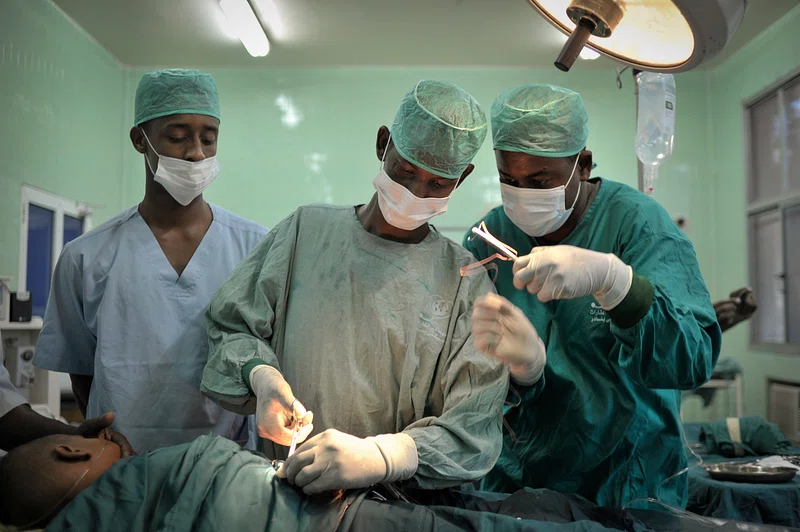
During the procedure, the surgeon moves the bulging tissue back into place and strengthens the weakened area. In many cases, surgical mesh is used to reinforce the muscle wall. You may receive general anesthesia, regional anesthesia, or local anesthesia with sedation, depending on your hernia procedure. Many hernia repairs are outpatient procedures, so you may be able to return home the same day, but more complex or emergency repairs often require a hospital stay.
Recovery varies from person to person, but you can expect some soreness, swelling, and bruising near the incision site for several days. Your surgeon will likely advise you to avoid heavy lifting and strenuous activity for a set period; you should follow those limits closely. Many people resume light activities within a week or two. Your full recovery will take several weeks. Follow-up appointments allow your surgeon to check your healing and answer questions about returning to work or exercise.
Find a General Surgeon Today
To discuss your hernia with a surgeon, ask your primary care physician for a referral. You can also search your insurance provider’s directory or a local hospital’s website to find surgeons in your area. When comparing options, look for a board-certified general surgeon with hernia repair experience. During your consultation, ask about the surgeon’s preferred techniques, the expected recovery timeline, and how to prepare for the procedure.