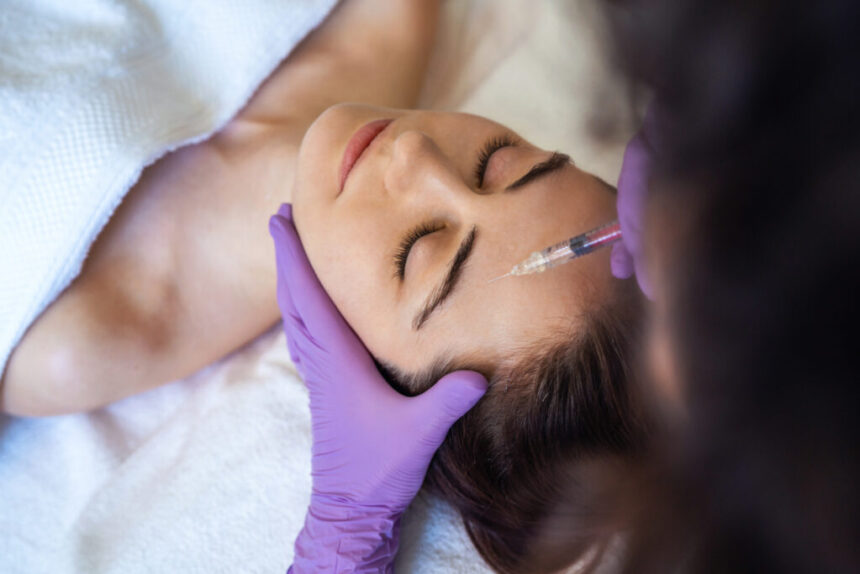
Botox is a purified form of botulinum toxin type A, and providers inject small amounts into specific facial muscles to relax them for several months. It is used for frown lines, forehead lines, and crow’s feet. Since each appointment follows a set routine, this is what typically happens during your visit:
Topical Anesthetic
When you arrive for a Botox session, your provider reviews your medical history, current medications, and treatment goals. Next, a provider applies a numbing cream to the treatment area. The cream sits on your skin, and the area gradually loses some sensation.
Numbing cream is optional, and some guests skip it entirely. If you have a low pain tolerance, ask about this step when you book. Many guests describe the injections as quick pinches. Your personal comfort level guides this choice.
Tell your provider about any allergies to topical anesthetics. While reactions are uncommon, some people react to lidocaine, a standard numbing ingredient. Mention any recent cold sores or skin irritation in the area too. Your provider wipes away the cream at the end of this stage, and the cleansing step follows.
Cleaned and Marked Treatment Area
Your provider cleans your skin with an antiseptic, such as alcohol or chlorhexidine. The antiseptic removes makeup, oil, and bacteria, and it is used to lower the risk of infection. Since makeup interferes with this step, you may want to arrive with a bare face. Your skin dries in less than a minute.
After your skin dries, your provider marks injection points with a washable pencil. You may sit upright for this part, and your provider may ask you to frown or raise your eyebrows. These expressions reveal the active muscles in each area. Treatment areas include the following:
- Forehead lines that are horizontal
- Frown lines between the eyebrows
- Crow’s feet at the outer corners of the eyes
Multiple Injections
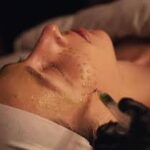
Your provider uses a very fine needle, and each injection takes only a few seconds. Many treatment areas need several injection points. Frown lines typically require several injections, while crow’s feet may need a few on each side. The whole process moves at a steady pace.
Since the dose depends on muscle strength, your provider adjusts the number of units for each spot. You might feel slight pressure or a brief sting, but the sensation fades quickly. Small bumps may appear at injection sites and fade away shortly. These bumps look like tiny mosquito bites.
Finished Treatment
The injection portion of the session typically takes about 10 minutes. Once your provider finishes, they may apply gentle pressure to stop minor bleeding. Most guests return to daily activities right away, and your provider gives you written aftercare instructions. Guidelines include:
- Stay upright for about four hours
- Avoid rubbing or massaging the treated area
- Skip strenuous exercise for 24 hours
- Avoid saunas, hot tubs, and facials for the first day
Mild redness or swelling may occur, and it typically resolves within a few hours. Changes in muscle movement typically develop as the product takes effect. Many clinics offer a follow-up visit around two weeks after treatment. Call the clinic right away if you notice drooping eyelids or trouble swallowing.
Schedule Botox Sessions Today
A Botox appointment follows specific steps in many cases. If you have questions about dosing, cost, or timing, bring them to your consultation. A medical team can offer flexible appointment times, and you can book online or by phone. Schedule your Botox session today.