Accurate medical diagnosis is fundamental for identifying health conditions and determining appropriate treatment options. A medical diagnostic imaging center uses advanced imaging technologies, such as ultrasounds, to provide detailed images of internal organs, tissues, and bones. Here is a closer look at the role of a medical imaging center in accurate diagnosis:
Providing Advanced Diagnostic Imaging
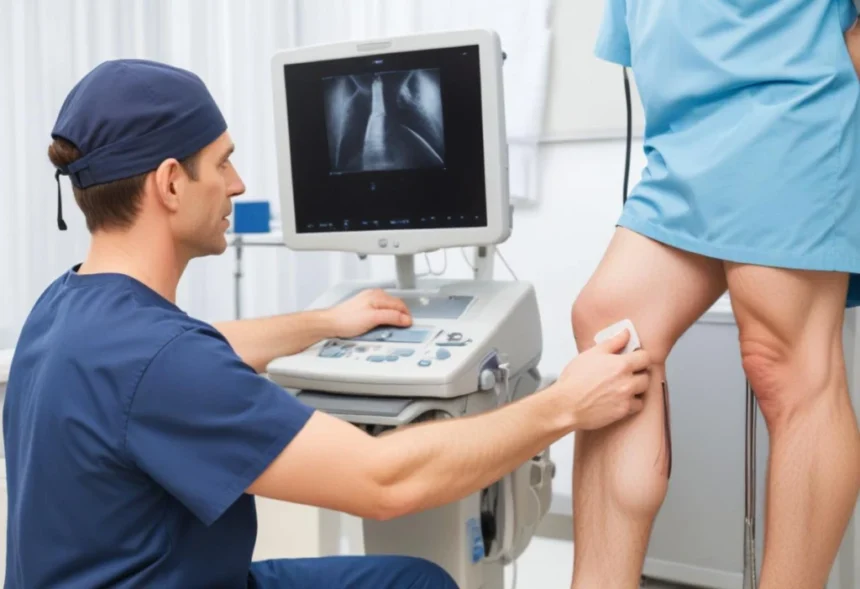
A medical diagnostic imaging center offers imaging that shows the body. Your physician selects a test based on your symptoms and the area of concern. Some tests produce clear images of bone, while others provide more detail of soft tissue. An ultrasound uses sound waves to show tissue in real time. When clinically appropriate, it can be used to examine tendons and fluid around joints.
Trained technologists operate this equipment and position you for each scan. A radiologist, who is a physician trained to read medical images, then reviews the results. The radiologist sends a written report to your physician, who then discusses the findings with you.
Detecting Medical Conditions Early
Some musculoskeletal conditions develop slowly and produce mild symptoms at first. Imaging may reveal soft-tissue changes before they become visible during a physical exam. Early findings give your physician more information. A small tendon tear looks different from a large one, and the difference often affects the care your physician recommends. Athletes who notice ongoing discomfort after training also benefit from imaging, since it provides a clear view of the affected area.
Guiding Diagnosis and Treatment
Some conditions share similar symptoms, so a physical exam alone does not always identify a single cause. Knee pain, for instance, can have several sources, including a ligament injury, a cartilage tear, or arthritis. Imaging gives your physician a direct view of the structures involved, which helps narrow the possibilities.
Identify the Source of Pain
Unexplained pain is a common reason for an imaging referral. Imaging shows whether the discomfort is from bone, muscle, tendon, ligament, or joint tissue. When your physician knows the exact location and type of problem, the diagnosis becomes more specific.
Guide Treatment Decisions
Treatment plans depend on accurate information about an injury or condition. Images from a medical diagnostic imaging center show the size, location, and severity of a problem, and physicians use these details to recommend care options. A clear diagnosis helps your care team decide whether rest, physical therapy, medication, or a referral to a specialist is the most appropriate next step.
Monitoring Disease Progression and Treatment
Imaging also plays a key role after a diagnosis. Your physician may order follow-up scans to track how a condition changes over time. These scans allow direct comparison with earlier images, and they show whether an injury is healing or a condition is advancing. For individuals with arthritis, repeat imaging documents changes in joint structure over time. Athletes recovering from soft tissue injuries often receive follow-up scans before they return to full activity. Your physician reviews these results alongside your symptoms, and this combined information helps determine whether to continue or adjust the current treatment plan.
Visit a Medical Diagnostic Imaging Center
A medical imaging center provides noninvasive tests that show the inside of the body in detail. These tests support early detection, specific diagnosis, treatment planning, and ongoing monitoring of musculoskeletal conditions. Contact a medical imaging center near you to schedule your appointment today.