Skin tightening aftercare typically includes sun protection, gentle cleansing, and avoiding harsh products for several days after treatment. Patients who follow these steps may see smoother results, and irritation is reduced. Because proper aftercare supports collagen production, the body is better equipped to develop firmer, more youthful-looking skin over time. Here is more information on skin tightening treatments:
What Is Skin Tightening?
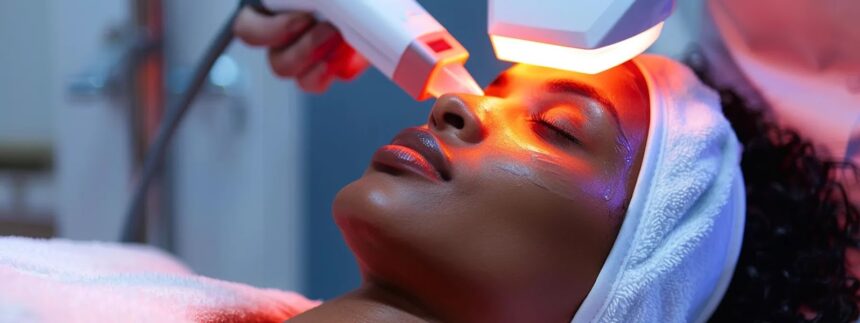
Skin tightening refers to a group of cosmetic treatments designed to reduce sagging and improve skin firmness without surgery. These treatments stimulate collagen and elastin production beneath the skin’s surface, and they achieve this by using energy sources like heat, light, or micro-injuries to trigger the body’s natural healing response. Since the treatments work at a cellular level, the skin undergoes structural changes that develop over time rather than immediately.
What Are the Different Treatments?
Several treatment options fall under the skin tightening category, and each uses a distinct approach to address the skin’s structure. Dermablade exfoliates the skin’s outer layer. Chemical peels remove damaged skin cells to reveal a smoother layer beneath, and microdermabrasion polishes the skin’s surface using a fine abrasive tip. When multiple laser wavelengths are combined, profractional laser and laser trifecta treatments can target skin concerns that affect texture, tone, and firmness. Microneedling creates controlled micro-injuries that prompt the skin to repair itself with fresh collagen.
Not every treatment suits every skin type or concern. Factors such as skin sensitivity, the degree of laxity, and the patient’s specific goals all influence which approach is most appropriate, so identifying these variables is an integral step in the process. A consultation with a medical spa provider helps assess these factors. Because each patient has different needs and conditions, the provider can determine which treatment option aligns with the patient’s goals and skin profile.
What Does Aftercare Involve?
Aftercare instructions vary by treatment, but several guidelines apply to several procedures. Limit sun exposure after treatment. Since treated skin becomes more sensitive to UV rays, daily sunscreen application helps protect healing skin and prevent pigmentation changes.
Gentle cleansing replaces harsh scrubbing during recovery, and patients may be asked to avoid exfoliants, retinoids, and other active ingredients until the skin has settled. Hydration is beneficial. A soothing moisturizer can ease redness or dryness that develops after treatment, so patients should include this step in their daily routine.
Swelling, mild redness, or flaking are common side effects. These symptoms may resolve within a few days, but should any unusual symptoms occur, contact the treating provider. Timely communication with a provider allows for prompt assessment, which can prevent minor concerns from developing into complications.
How Is Proper Aftercare Beneficial?
Proper aftercare plays a central role in supporting the skin’s healing process and preserving treatment results. Key benefits of following aftercare guidelines include:
- More efficient collagen production: Skin that heals without complications may produce collagen more effectively.
- Longer-lasting results: Patients who protect their skin from sun exposure during recovery can maintain their results over time.
- Cumulative improvement: Consistent care after each session contributes to progressive improvement across a full treatment plan.
Learn More About Skin Tightening
Skin tightening treatments offer a non-surgical way to firm skin, but the results depend on how well patients care for their skin afterward. Sun protection, gentle cleansing, and avoiding harsh products all help support healing and maximize outcomes. Each treatment type, from microneedling to laser trifecta, has its own recovery guidelines. If you are evaluating a skin tightening treatment, schedule a consultation with a licensed medical spa professional. A provider can recommend the most suitable treatment and aftercare plan.