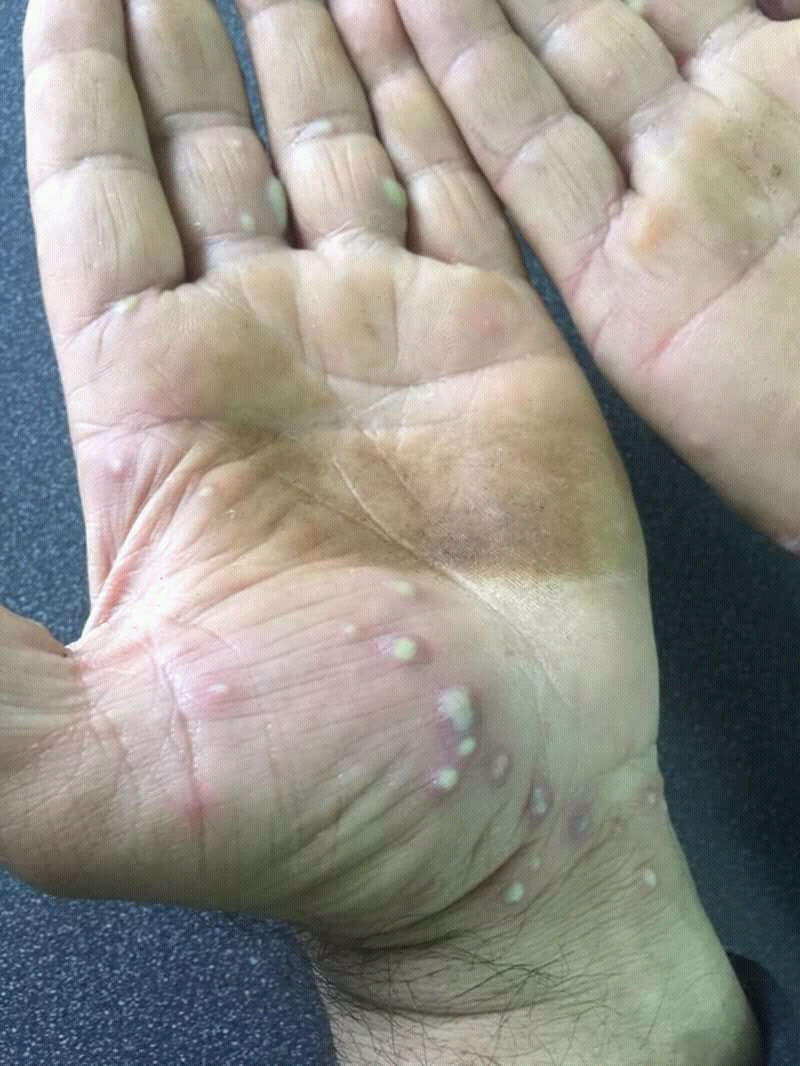
Psoriasis is a long-term skin condition linked to the immune system, and it can cause daily irritation. The immune system speeds up skin cell growth, and extra cells build up on the surface. These cells form raised, scaly patches that typically appear on the elbows, knees, scalp, and lower back. Here is more information on each step of a psoriasis diagnosis:
Medical History Review
When you visit a dermatologist, the first step typically involves a review of your medical history. Your provider asks about past skin problems, current medications, and recent illnesses. Bring a written list of your medicines and supplements to the appointment.
Psoriasis can run in families, so your provider will ask about relatives with skin or joint conditions. If a parent has psoriasis, your own risk of developing it goes up. Your provider may also ask about smoking, alcohol use, and recent skin injuries. These details give your provider useful context for the exam.
Comprehensive Discussion of Symptoms
Next, your provider will discuss your symptoms in detail. Since psoriasis resembles eczema and fungal infections, specific answers help narrow the possibilities. Track your symptoms before the visit, and bring photos of past flare-ups. Expect questions on the following topics:
- When the patches first appeared and how quickly they spread
- Whether the skin itches, burns, cracks, or bleeds
- When there are changes in your fingernails or toenails
- If there is any joint pain, stiffness, or swelling, especially in the morning
Getting a clear diagnosis requires sharing detailed information with your healthcare provider, and skin conditions may overlap in appearance. Start by describing when you first noticed symptoms and any changes over time. While it can be tempting to self-diagnose, allowing your provider to piece together your symptoms can lead to a more accurate result.
Physical Evaluation
Your dermatologist will examine your skin closely, and you may need to remove some clothing. Patches look red with silvery scales, though they can appear purple or gray on darker skin. Good lighting helps your provider see subtle changes in color and texture.
Your provider will also check areas that people might overlook. Psoriasis hides in the scalp, ears, and belly button, and it may also form in skin folds. Inverse psoriasis in skin folds looks smooth and shiny instead of scaly. Your fingernails and toenails get a close look too.
Nail changes offer another clue. Small pits may form on the nail surface, and the nail may separate from the nail bed. Your provider will also note the size, thickness, and location of each patch. This information shows how much of your body the condition affects.
Potential Tissue Biopsy
If your symptoms look unclear, your dermatologist may recommend a skin biopsy. Many people never need one. The procedure happens in the office, and it is typically short. A punch biopsy follows these steps:
- Your provider numbs a small area of skin with an injection.
- A small, round tool removes a tiny sample of affected skin.
- A stitch or bandage closes the site.
- A lab examines the sample under a microscope.
Get Examined for Psoriasis
Psoriasis shares features with other skin conditions, and self-diagnosis may lead to the wrong treatment. A dermatologist uses your history, symptoms, exam results, and sometimes a biopsy to reach an answer. If you notice scaly patches, nail pits, or joint stiffness, schedule an appointment with a dermatologist. Bring your symptom notes, photos, and medication list to the visit.