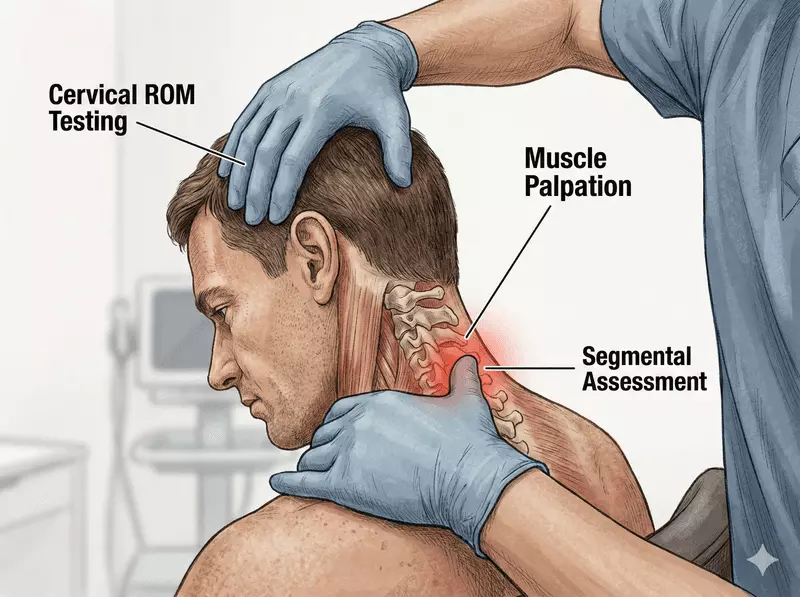
Neck pain often stems from poor posture, muscle strain, or joint degeneration. Mild cases may respond well to rest, stretching, and posture correction, but persistent or severe pain requires specialist evaluation. When a specialist evaluates the condition, they will identify the underlying cause and recommend targeted treatment, such as physical therapy, medication, or further intervention. Here is more information on what neck pain is, how to prevent it, how to treat it, and how a specialist can help:
What Is Neck Pain?
Neck pain refers to discomfort, stiffness, or soreness in the cervical spine, which is the region of the spine that supports the head and connects it to the shoulders. It ranges from a dull ache to sharp, radiating pain, and this pain may travel into the shoulders or arms. Common causes include muscle strain, poor posture, joint wear, and nerve compression.
How Is It Prevented?
Preventing neck pain begins with daily postural habits. Maintaining neutral spine alignment while sitting, standing, and sleeping reduces strain on the cervical muscles and joints, and small environmental adjustments reinforce these habits consistently. Because prolonged screen use can contribute to neck strain, setting screens at eye level, using supportive pillows, and taking regular breaks help keep the neck in a natural position.
Movement plays a valuable role in long-term prevention; gentle stretching and strengthening exercises build resilience in the muscles that support the neck. Low-impact activity keeps the surrounding joints mobile. Patients recovering from an injury should follow their care team’s movement guidelines closely. Compensating for a healing joint elsewhere in the body can place additional load on the neck over time, which makes adherence to prescribed protocols particularly beneficial.
How Is It Treated?
Treatment depends on the cause and severity of the pain. Mild, muscle-related neck pain may respond to rest, heat or ice application, and over-the-counter pain relief. Once acute discomfort subsides, gentle stretching can be introduced. As flexibility returns, stiffness typically decreases, and this helps improve overall quality of life.
More persistent or severe cases may require professional guidance. Physical therapy addresses weakness and misalignment through targeted exercises; a clinician may recommend medication to manage inflammation or nerve-related pain. A conservative approach is appropriate when pain is mild and recent. A more structured treatment plan becomes necessary when symptoms persist beyond a few weeks or begin to interfere with daily activities. In cases where significant nerve compression or structural damage is present, a specialist may discuss injections or surgical options.
How Can a Specialist Help?
Orthopedic specialists offer diagnostic tools and clinical expertise that extend beyond standard general care. They are equipped to assist patients in several ways, including:
- Ordering imaging, such as X-rays or MRIs, to identify the precise source of pain, whether from a disc issue, joint degeneration, or nerve compression
- Developing a treatment plan targeted to the exact cause of pain, rather than addressing symptoms alone
- Evaluating compensatory movement patterns in patients recovering from orthopedic surgery to determine whether these contribute to neck pain
Consulting an orthopedic specialist supports a more thorough and lasting recovery by addressing the root cause of discomfort.
Address Your Pain Today
Neck pain may resolve once you address the underlying cause; small daily adjustments, like better posture and supportive sleep habits, are key to prevention. When pain persists, a structured treatment plan guided by an orthopedic specialist can provide relief. Schedule a consultation with an orthopedic specialist to get an accurate diagnosis and a treatment plan suited to your needs.