Significant weight loss can reduce facial volume, which makes wrinkles, folds, and other changes in facial appearance more noticeable. These changes affect facial appearance, and they sometimes remain visible after a person reaches a healthier or desired weight. Botox may help address certain lines and wrinkles without surgery. Here are some ways Botox helps appearance after weight loss:
Relaxes Muscles
Losing weight changes the face. When fat in the cheeks, temples, and under the chin shrinks, the skin and muscles beneath it sit differently than before. Some muscles become more visible, and repeated expressions may leave deeper creases than you had at a higher weight.
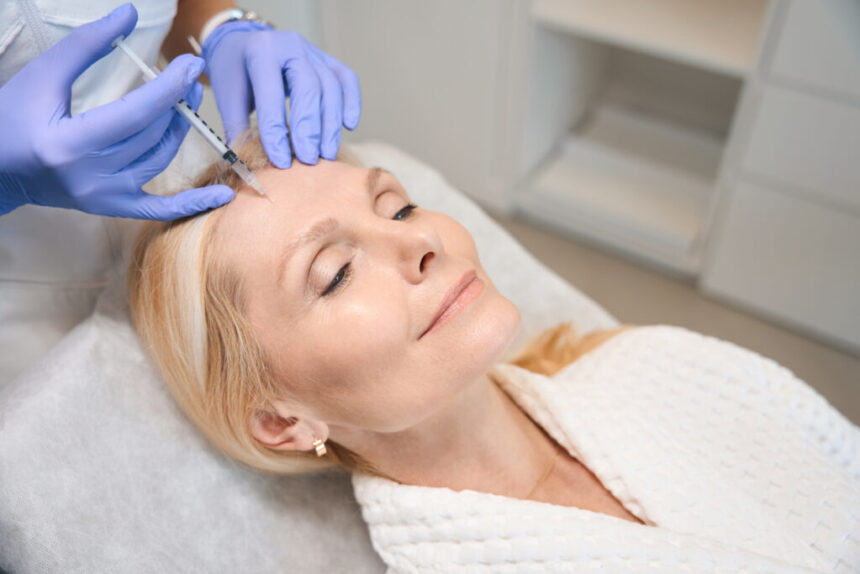
Botox works on the muscle layer, not the skin itself. A provider injects measured amounts into specific facial muscles that contribute to lines between the brows, across the forehead, and around the eyes. These muscles relax for several months, so the skin above them folds less when you frown or raise your eyebrows.
With a conservative dose, you keep natural expression while the targeted muscle contracts with less force. This can soften the appearance of creases that became more noticeable after weight loss. The goal is a smoother appearance, and your face still moves naturally.
Smooths Wrinkles
Dynamic wrinkles appear when you move, such as when you smile or concentrate. Static wrinkles stay visible even when your face is at rest. Weight loss affects both. As facial volume decreases, the skin has less support underneath; this makes existing lines look more pronounced. Because Botox reduces muscle movement, it targets dynamic wrinkles, including:
- Forehead lines: horizontal creases that form when you lift your brows
- Frown lines: the vertical lines between the eyebrows
- Crow’s feet: fine lines that fan out from the outer corners of the eyes
- Bunny lines: small creases on the sides of the nose
Static lines may soften gradually with repeated treatments, since the skin gets a break from constant folding. Results differ from person to person. Folds caused mainly by volume loss, like the creases running from the nose to the mouth, usually respond better to dermal fillers than to Botox. Some providers recommend combining the two, or they may suggest a different treatment based on your skin.
Provides Lift
Though Botox does not tighten loose skin, it may create a subtle lifting effect by shifting the balance between opposing muscles. Some muscles pull features down, while others pull them up. When a provider relaxes the downward-pulling muscles, the upward-pulling ones meet less resistance. A brow lift is one method. Small injections below the tail of the eyebrow let the forehead muscle raise the brow by a few millimeters. Providers use similar techniques on the depressor muscles at the corners of the mouth and on the thin muscle that forms vertical bands in the neck.
Schedule Botox Treatments
Botox is one tool for addressing facial changes after weight loss. A licensed provider reviews your medical history, examines your facial structure, and explains what treatment aims to achieve. If your appearance continues to change as your weight stabilizes, your provider can recommend timing for Botox injections. Book a consultation at a medspa today to discuss your goals and build a plan that fits your needs.