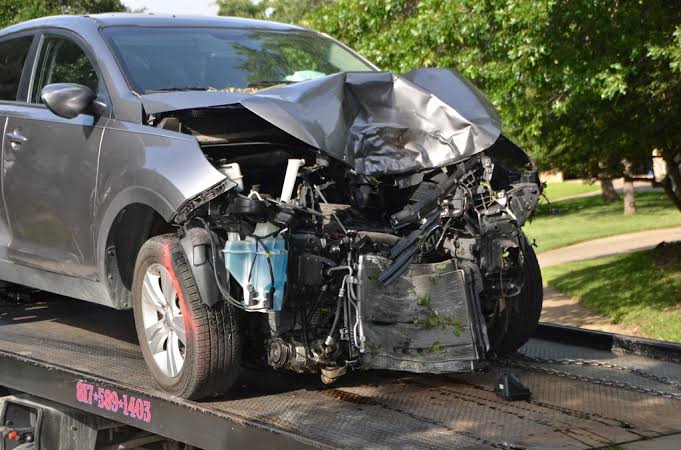
An auto accident often leads to injuries that may not be immediately noticeable, including neck pain, back pain, stiffness, headaches, or reduced mobility. A first medical appointment after an accident typically focuses on reviewing symptoms and determining whether further testing or treatment is needed. Here is an overview of what to expect from your first appointment after an auto accident:
Reviewing Accident Details and Symptoms
Your provider starts by asking how the auto accident happened. They may ask about the direction of impact, your seat position, and whether the airbags deployed. These details help the provider understand which parts of your body absorbed force during the collision. Write down what you remember before the visit, and bring any police reports or emergency room records you have.
Next, the provider reviews your current symptoms in detail. You will describe where you feel pain, when it started, and what makes it better or worse. If you experience numbness, tingling, or weakness in your arms or legs, mention it, even if it appears minor. The provider also asks about past injuries and health conditions, as this history influences how they interpret your current symptoms.
Performing Physical Examination
After the history review, the provider performs a hands-on physical exam. This step shows how your body moves and responds right now. The exam usually covers two key areas, and each one gives the provider different information.
Checking Movement and Flexibility
The provider asks you to move your neck, back, shoulders, or hips through specific motions. They watch how far you can move, and they note where stiffness or pain limits the motion. They may also press on muscles and joints to find tender areas. Tell the provider when a movement causes discomfort, and describe the type of sensation you feel.
Testing Nerve Function and Strength
Nerve-related symptoms require separate checks. The provider may test your reflexes with a small rubber hammer; they will also check your grip or leg strength. They can also lightly touch your skin to compare sensation on each side of your body. These results help the provider decide whether further testing is helpful.
Using Diagnostic Testing
Not every patient needs diagnostic tests at the first visit after an auto accident. The provider orders tests when your history and exam suggest that images or nerve studies can add useful details. Here are some tests your provider may recommend:
- X-rays: These images show bones and joints and can reveal fractures or alignment changes.
- MRI scans: An MRI uses magnets and radio waves to create detailed pictures of soft tissues, such as discs, ligaments, and nerves.
- CT scans: A CT scan combines several X-ray images to give a layered view of bones and nearby structures.
- Nerve conduction studies: This test measures how quickly signals travel through your nerves, which can help locate the source of numbness or tingling.
Creating a Treatment Plan
Once the provider gathers enough information, they outline a treatment plan. Non-surgical options may include physical therapy, targeted injections, medication management, or home exercises. The provider explains the goal of each option and discusses how it fits your symptoms and daily routine. The plan also includes a follow-up schedule. Regular visits allow the provider to track your progress and adjust treatment as your symptoms change. Keep a log of your pain levels, sleep, and activity between appointments.
Schedule Your Auto Accident Appointment
Understanding and addressing your symptoms after an auto accident is key for effective recovery. A detailed treatment plan, along with regular follow-up appointments, makes sure your symptoms are managed and adjusted as needed. Keeping a log of pain levels, sleep patterns, and activity gives your provider the details needed to refine your care. Contact a qualified pain management specialist near you to schedule your auto accident appointment today.