A tummy tuck, which is medically known as abdominoplasty, addresses more than loose skin. It reshapes the abdominal wall itself, and because the structural changes extend beyond the surface, the results can last long after the initial recovery period ends. Here is more information on what a tummy tuck involves and the long-term benefits it offers:
What Is a Tummy Tuck?
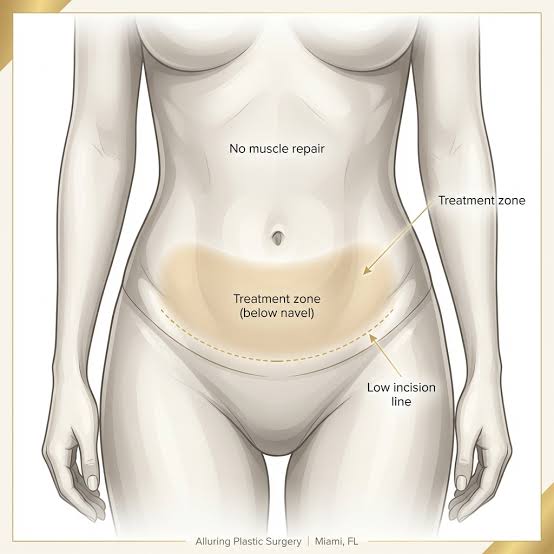
A tummy tuck is a surgical procedure that removes excess skin and fat from the abdominal area. During the surgery, a plastic surgeon repairs separated or weakened abdominal muscles, which may occur after pregnancy or significant weight changes. This dual approach addresses both surface-level and structural concerns, and the result is a firmer, flatter abdominal profile.
Who Does It Help?
Tummy tuck surgery benefits a range of patients, but it is most effective for those with loose abdominal skin or separated muscles that have not responded to diet and exercise. New parents may pursue this procedure after pregnancy stretches the skin and abdominal muscles. Once their weight has stabilized, former weight loss surgery candidates may get a tummy tuck to address excess skin. Rapid weight loss often leaves excess, sagging skin that surgical intervention effectively addresses.
Suitable candidates are typically close to their goal weight and in good general health. While age does not outright disqualify a candidate, a surgeon will assess skin elasticity and overall health during the consultation. These factors influence surgical outcomes, and patients who smoke or have unmanaged health conditions may need to resolve those issues before surgery is scheduled.
What Are the Expected Results?
Initial results become visible once post-surgical swelling subsides, typically within several weeks. Patients can generally expect the following outcomes:
- A flatter abdomen with a smoother, more proportional contour
- Tighter skin across the treated area
- Gradual fading and softening of scar tissue over several months
Full results develop over several months as the body completes its healing process. Maintaining a stable weight after surgery is key to preserving long-term outcomes.
What Are the Long-term Benefits?
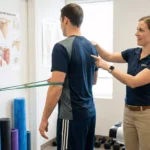
The long-term benefits of a tummy tuck include appearance and overall well-being. Repaired abdominal muscles may improve posture and core strength, and this supports better performance during physical activity. As the abdominal wall strengthens, it provides better spinal support. Some patients may experience reduced back discomfort.
Patients may find that clothing fits more predictably after surgery; bloating and minor weight shifts no longer require sizing up or down. For those who have struggled with loose skin following major weight loss, this stability can replace years of inconsistency. Lasting results may remain intact for many years when paired with a stable weight and healthy lifestyle. Aging will naturally affect skin elasticity over time. Because the structural correction is durable, the procedure functions as a long-term solution rather than a temporary one.
Learn More From a Surgeon
A tummy tuck offers more than a flatter stomach; from muscle repair to improved posture and lasting comfort, the benefits can shape daily life for years after surgery. Results vary depending on individual anatomy, surgical technique, and post-operative care. If you are exploring your surgical options, schedule a consultation today. A cosmetic surgeon will review your health history, explain which technique suits your goals, and outline what results you can expect based on your body.