Missing teeth affect chewing, speech, and the position of nearby teeth, and some people lose one tooth, while others lose several in different areas. Since each mouth differs, your dentist looks at bone, gums, and remaining teeth before suggesting an option. Here are four common tooth replacement methods and their basic features:
Temporary Flipper
A temporary flipper is a lightweight acrylic partial for one or two missing teeth. It isn’t as durable as other tooth replacement options, and it isn’t designed to withstand strong chewing pressure. While an implant site heals, dentists may use a flipper. People choose flippers for several practical reasons:
- A gap in a visible front tooth
- A waiting period before an implant or bridge
- A short-term fix
- A need for quick replacement
Fixed Bridge
When one or more teeth are missing in a row, a fixed bridge fills a gap. The bridge attaches to crowns on the healthy teeth beside the gap. Your dentist shapes those neighboring teeth first, and a dental lab then makes the bridge from your impressions. You do not take a fixed bridge out at night or for cleaning.
The process typically takes at least two visits, and a temporary bridge covers the area between appointments. While you wear a bridge, you clean under it with floss threaders or a water flosser. Bridges typically last many years with regular checkups and home care. The supporting teeth need strong roots, so your dentist checks them with X-rays first.
Dental Implants
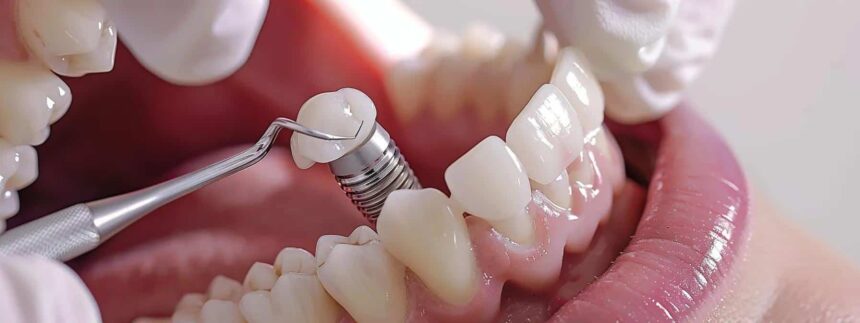
A dental implant replaces the root of a missing tooth. The implant is a small titanium post that your dentist places in the jawbone. The bone grows around the post over several months, and the post then supports a crown. In some cases, implants also support bridges or full dentures.
Implant treatment happens in stages, and each stage has its own healing period. If your jawbone lacks enough height or width, you may need a bone graft first. Your dentist uses X-rays or a 3D scan to measure the bone before surgery.
Since implants require minor surgery, your dentist reviews your health history and current medications. Smoking slows healing, and uncontrolled diabetes raises the risk of implant problems. Many dental insurance plans cover only part of it. Ask your office for details, and check your plan’s yearly limits before treatment.
Metal Partial
If you are missing several teeth in one arch, a metal partial is one removable option. Its thin metal frame holds plastic teeth and gum-colored material. Small clasps grip your natural teeth, and you take the partial out each night. Daily care for a metal partial involves a few basic steps:
- Remove the partial and rinse it after meals
- Brush it with a soft brush and a nonabrasive cleaner
- Soak it overnight in water or denture solution
- Bring it to checkups for clasp adjustments
A metal partial is designed to be lightweight yet durable, promoting both comfort and longevity. You can incorporate it into your daily routine with just a little extra care. While wearing it, avoid chewing hard or sticky foods, as they can dislodge the clasps or damage the frame.
Get a Tooth Replacement
Before you choose a method, your dentist examines your teeth, gums, and jawbone. Insurance coverage also varies by plan and procedure type. Bring your insurance card to the visit, and ask for a written treatment estimate. Schedule a consultation online or call our office to discuss your tooth replacement options.