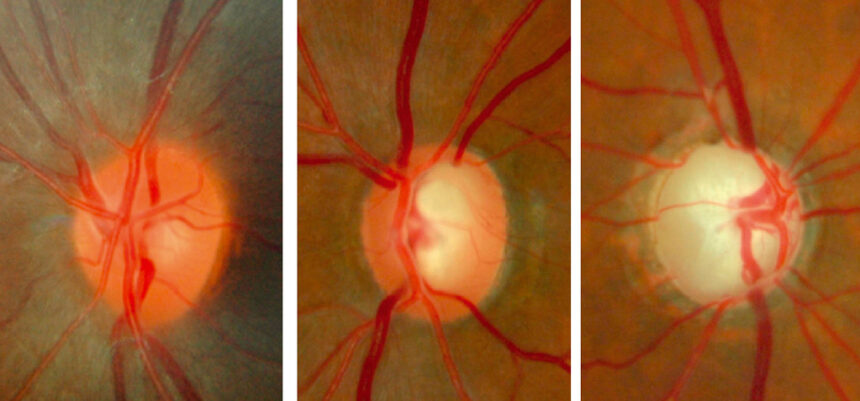
Glaucoma is a group of eye conditions that affect the optic nerve, often associated with elevated pressure inside the eye. Several distinct types exist, and each one presents differently based on its cause, progression, and the eye structures involved. Understanding the key differences between these types helps you understand the terminology your eye care professional may use. Here’s more information about glaucoma:
Understanding Primary Glaucoma Types
Open-angle glaucoma is the most prevalent form of the condition. The drainage angle formed by the cornea and iris remains open, but the eye’s drainage channels become less efficient over time. Fluid drains more slowly, which causes the pressure inside the eye to rise gradually over the years. This condition may affect both eyes, though not always at the same rate.
Angle-closure glaucoma works differently. The iris sits very close to the drainage angle and blocks it, which prevents fluid from exiting the eye properly. This blockage may develop slowly or appear suddenly; the sudden form is sometimes referred to as acute angle-closure glaucoma.
Recognizing Secondary and Congenital Forms
Congenital glaucoma is present at birth or develops during early childhood. An abnormality in the eye’s drainage system prevents fluid from draining properly; this structural difference sets the condition apart from adult-onset forms. Because it appears so early in life, specialists group it separately, and it may be called infantile or childhood glaucoma depending on the exact timing of onset.
Secondary glaucoma develops as a direct result of another condition or external factor, and it covers a broad category of presentations. Unlike primary forms, which arise without a clear external cause, secondary forms link to an identifiable source. Key contributing factors include:
- Eye injuries: Physical trauma can disrupt drainage and raise eye pressure.
- Inflammation: Conditions affecting the interior of the eye sometimes interfere with normal fluid flow.
- Medications: Certain drugs can cause elevated eye pressure, including corticosteroids.
- Underlying eye conditions: Structural or functional issues elsewhere in the eye contribute to secondary glaucoma.
Because so many variables apply, secondary glaucoma may be defined by its origin rather than a single mechanism.
Treating the Different Types
Treatment is tailored to the type of glaucoma and the level of eye pressure; the extent of optic nerve damage is also a factor. Options may include prescription eye drops, laser procedures, oral medications, or surgery to lower pressure and protect remaining vision. For open-angle glaucoma, eye drops are often the first step, with laser trabeculoplasty or surgery explored when pressure remains above the target range. Angle-closure forms may require urgent laser treatment to create a new pathway for fluid drainage, while secondary glaucoma also requires addressing the underlying cause whenever possible.
Consult an Eye Care Specialist
Glaucoma covers a range of conditions connected by their effect on the optic nerve, yet each type follows its own distinct pattern. Primary forms such as open-angle and angle-closure differ in how drainage and pressure behave. Congenital and secondary forms involve additional variables, which include age of onset and underlying causes. For guidance specific to your eye health, speak with a qualified eye care professional today.