

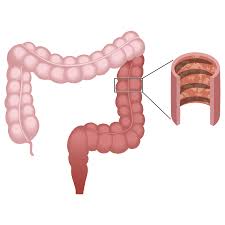
Ulcerative colitis is a chronic inflammatory bowel disease that causes inflammation and small ulcers along the digestive tract, leading to uncomfortable symptoms. Doctors diagnose this condition using a combination of methods, often including blood tests, stool samples, and imaging scans. A colonoscopy is the most common diagnostic tool for digestive tract conditions, allowing a doctor to view the colon directly and take small tissue samples for examination. Once you receive an ulcerative colitis diagnosis, several lifestyle changes may support your treatment plan and daily comfort. Here’s information on lifestyle changes to help you manage your condition:
Incorporate Medication
Medication is often central to managing ulcerative colitis. These treatments calm inflammation in the large intestine, allowing damaged tissue to heal over time. As inflammation decreases, many people notice fewer symptoms, including:
- Pain
- Cramping
- Diarrhea
Doctors may prescribe different medications depending on the condition’s severity. Common options include anti-inflammatory drugs, immunosuppressants, and biologics.
Change Your Diet
Diet plays a meaningful role in managing ulcerative colitis; paying attention to what you eat can make daily life more comfortable. No single diet works for everyone, but tracking your meals helps you identify foods that trigger digestive symptoms. Keeping a food journal can reveal patterns to you and your doctors over time.
Foods To Include
Gentle, easy-to-digest foods often work well during active periods. During a flare-up, eat clean proteins such as chicken, fish, and eggs. Staying hydrated also supports the digestive system, so drink plenty of water throughout the day. Some people benefit from smaller, more frequent meals rather than large portions. Cooked vegetables, refined grains, and low-fiber fruits like bananas and melon may be easier on the digestive system to process.
Foods To Avoid
Certain foods may worsen symptoms for some individuals. High-fiber items such as raw vegetables, nuts, and seeds can be difficult to digest during flare-ups. Caffeine and alcohol can further irritate the digestive tract. Spicy foods, fatty foods, and dairy products may also cause discomfort. Because triggers vary from person to person, work with a gastroenterologist or dietitian to build a plan suited to your needs.
Regularly Visit a Specialist
A gastroenterologist specializes in the digestive system, including the stomach, intestines, and related organs. Regular visits allow these specialists to monitor your condition and adjust your treatment as needed. They can order tests, review your symptoms, and recommend medication or diet changes. During flare-ups, a specialist helps you find relief, and during calmer periods, they can help you maintain progress. Ongoing care also supports early detection of any complications.
Improve Ulcerative Colitis Symptoms
Managing ulcerative colitis often involves a combination of approaches. Medication helps calm inflammation and gives tissues a chance to heal, while dietary choices can reduce discomfort and support digestion. Noticing which foods trigger symptoms also helps you make informed daily choices. When your condition isn’t improving, regular visits to a gastroenterologist give you access to professional advice and ongoing monitoring.
Everyone experiences ulcerative colitis differently, so a plan that works for one person may not for another. Staying consistent with your treatment, communicating openly with your healthcare team, and making gradual lifestyle changes can all contribute to better daily management. With a proactive approach, you can take meaningful steps to manage your condition effectively. Contact a specialist today to get personalized advice for your digestive needs.