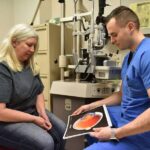


A primary care doctor is often the first point of contact when a health concern arises. Whether you notice a new symptom, need a routine checkup, or want guidance on managing a long-term condition, this professional serves as a steady resource for your health over time. Adults may form a lasting relationship with a single primary care provider, and that continuity allows the doctor to track changes in your health and offer advice suited to your personal history.
What Is Primary Care?
Primary care refers to general medical care delivered by a doctor who treats a wide range of health needs. Rather than focusing on a single organ or disease, a primary care provider looks at your health as a whole. They care for patients across many stages of life, and they can address both common illnesses and ongoing conditions. When a concern falls outside their scope, the primary care doctor connects you with the right specialist and helps coordinate that care.
How Does It Support Wellness?
A primary care doctor performs several roles that support your health over the long term, and one common focus is prevention. By encouraging routine checkups and screenings, these doctors help identify potential concerns early, before they grow into larger problems. Another role is diagnosis and treatment. When you feel unwell, your doctor evaluates your symptoms, orders tests when needed, and recommends a treatment plan. For many everyday conditions, this care resolves the issue without a referral.
They may also manage long-term conditions. Patients living with certain concerns, such as high blood pressure or diabetes, often rely on regular visits to monitor their status and adjust treatment plans as circumstances change. Coordination rounds out these responsibilities. Your doctor keeps a record of your medical history, tracks medications, and communicates with specialists. This oversight prevents gaps in care, and it can help keep your treatment aligned between providers.
What Services Fall Under It?
Primary care doctors offer a broad set of medical services, which are designed to meet everyday health needs. The exact list varies by practice, but several services appear across most offices. These include:
- Preventive and Wellness Services: This includes annual physical exams, routine screenings, immunizations, and general health guidance. These visits give the doctor a chance to review your health and address concerns before symptoms appear.
- Professional Diagnosis and Treatment of Illness: When you develop a cough, fever, or other symptom, a doctor evaluates the problem and recommends treatment. Practices may also handle minor injuries and order lab work or imaging when a closer look is needed.
- Chronic Condition Management: For patients with ongoing health concerns, primary care provides regular monitoring and follow-up. This can include reviewing test results, adjusting medications, and offering lifestyle guidance suited to each patient.
Doctors may offer advice on topics such as nutrition, physical activity, and general wellness.
Visit a Primary Care Doctor
Regular visits allow a doctor to understand your history and respond to changes with informed guidance. Each appointment provides more insight into your health, and this can support more personalized care. If you have not seen a doctor recently, schedule an appointment to establish a routine of medical oversight.