

Orthopedics focuses on the muscles, bones, and joints that keep you moving, and treatments aim to control pain. Joint pain slows you down, and it can occur after a fall, a strain, or years of wear. When your knee, hip, or shoulder aches, you want answers fast. Here are some of the main care paths for joint issues, moving from simple steps to advanced surgery:
Try Conservative Approaches
Most joint problems start with non-surgical care. Rest helps to control the swelling, and gentle movement keeps the joint from getting stiff. Since early treatment targets inflammation, your doctor may suggest a few simple habits at home. These steps give you a starting point before anything more involved. Conservative options at an orthopedics clinic include:
- Rest and activity changes
- Ice or heat on the sore area
- Anti-inflammatories
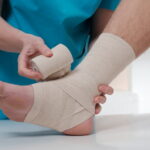
- Braces or supportive wraps
You track how your joint responds over a few weeks. If the pain eases, you continue the routine, and you adjust as needed. When symptoms linger despite these habits, a walk-in visit gives you a quick check.
Attend Physical Therapy
Physical therapy aims to strengthen the muscles around a sore joint. A specialist builds a plan, and each session targets your range of motion. Since weak muscles put more strain on joints, guided exercise helps stabilize the area. You practice these movements at the clinic and at home. Therapy sessions might cover flexibility drills, balance work, and low-impact strengthening.
Get Less Invasive Surgical Procedures
Sometimes conservative care and therapy are not enough. Minimally invasive surgery uses small incisions, and recovery time is typically shorter than open surgery. Since surgeons use tiny cameras and tools, they view the joint without large cuts. Robotic-assisted surgery is one solution.
These procedures address torn cartilage, loose fragments, or damaged tissue. Your surgeon explains the steps, and you learn what recovery looks like beforehand. Since each joint differs, the plan depends on your scan results. You go over risks and timelines during the consultation.
Explore Complex Revision Surgeries
Revision surgery repairs or replaces a prior joint procedure. An earlier implant may loosen, and infection or wear sometimes prompts a second operation. Since these cases involve more planning, surgeons study your history in detail. This path is the most involved option in joint care.
Revision procedures take longer than a first surgery. The surgeon removes old hardware, and healthy bone is checked before placing new parts. Since recovery varies widely, your team maps out each stage. You ask questions about rehab, timelines, and follow-up visits.
Patients need clear details before a revision. Your care team reviews scans, and they walk you through the full plan. Since these surgeries carry added complexity, second opinions are welcome. You leave the consultation knowing your next steps.
Visit an Orthopedics Clinic Today
Joint care follows a clear path, from simple home steps to advanced surgery. Since every joint tells a different story, a professional exam points you in the right direction. If your joint pain flares suddenly, medical care offers a fast starting point. Stop by an orthopedics clinic today to have your joint checked.